
Recovery Technology Becomes a Major Fitness Trend in 2026 as Men Focus on Performance and Long-Term Health
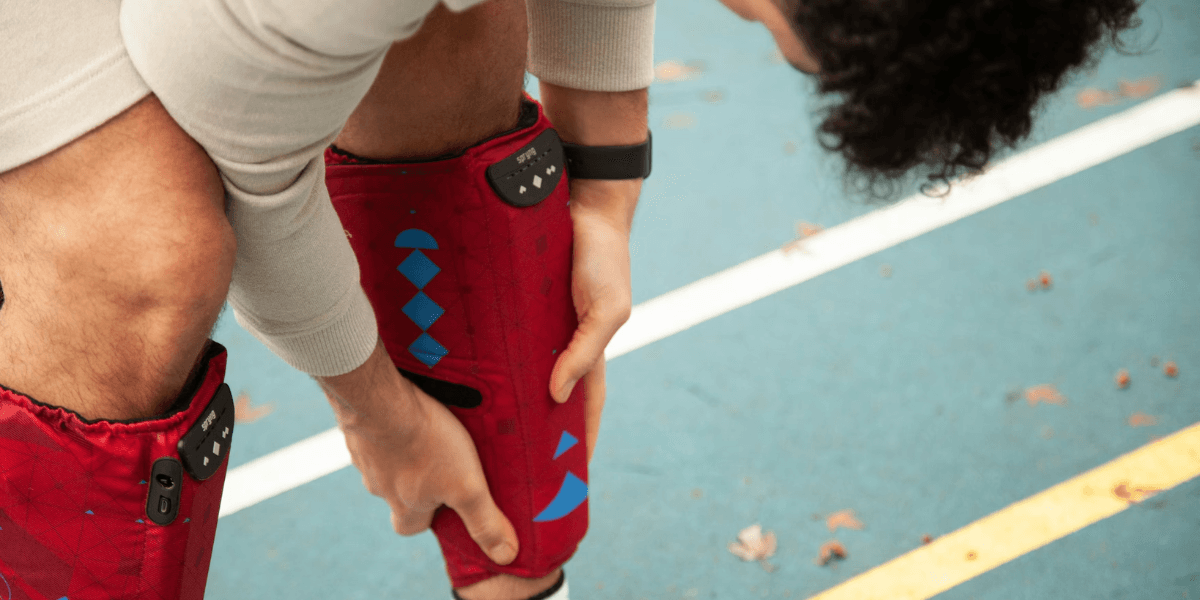
Recovery-focused fitness technology is rapidly becoming one of the biggest trends in the American wellness industry in 2026, with athletes, fitness enthusiasts, and everyday consumers increasingly investing in tools designed to improve recovery, reduce muscle fatigue, and support long-term physical performance. On May 16, several major fitness brands and wellness companies highlighted new recovery devices and training strategies at health expos and industry events across the United States, reflecting the growing importance of recovery in modern fitness culture.
For years, fitness conversations centered primarily on workout intensity, strength gains, and endurance milestones. However, sports scientists and trainers now emphasize that effective recovery is equally important for improving performance and preventing injuries. This shift has fueled growing demand for massage guns, cold plunge systems, compression boots, infrared therapy devices, and smart recovery tracking technology.
Fitness experts say the trend is driven partly by the increasing popularity of high-intensity training programs and endurance activities. More Americans are participating in strength training, marathon events, cycling, recreational sports leagues, and hybrid fitness competitions than in previous years. As training intensity rises, recovery practices have become essential for maintaining consistency and reducing the risk of overtraining.
One of the fastest-growing categories in the industry involves wearable recovery tracking devices. Smartwatches and biometric fitness bands can now monitor sleep quality, resting heart rate, heart rate variability, and recovery readiness scores. These metrics help users better understand when their bodies are prepared for intense exercise and when additional rest may be necessary. Industry analysts report that consumers are increasingly interested in personalized fitness data that supports sustainable performance improvements rather than short-term workout goals.
Cold therapy has emerged as another major trend among athletes and active consumers. Cold plunge tubs and cryotherapy treatments are becoming more widely available at gyms, recovery centers, and wellness facilities nationwide. Advocates say cold exposure may help reduce muscle soreness and improve post-workout recovery, although health experts caution that individuals should follow safe temperature guidelines and consult professionals when necessary.
Mobility training has also become a larger part of mainstream fitness routines. Trainers increasingly encourage men to incorporate stretching, foam rolling, yoga-inspired movements, and flexibility exercises into weekly workout schedules. Physical therapists note that mobility work can improve posture, joint function, and athletic performance while lowering injury risk during strength and endurance training.
Sleep optimization remains one of the most important themes within the recovery movement. Sports medicine specialists continue emphasizing that sleep quality directly affects muscle repair, cognitive function, hormonal balance, and workout performance. As a result, many consumers are adopting evening wellness routines involving reduced screen exposure, sleep tracking apps, hydration strategies, and improved bedroom environments to support recovery and energy levels.
Nutrition companies are also adapting to the trend by expanding recovery-focused product lines. Protein supplements, electrolyte beverages, hydration powders, and nutrient-rich snack products continue gaining popularity among active consumers. Dietitians stress that balanced nutrition and hydration remain fundamental parts of recovery, especially for individuals participating in demanding exercise programs or outdoor activities during warmer months.
Professional sports organizations have contributed to rising awareness by publicly showcasing advanced recovery methods used by elite athletes. Teams across basketball, football, soccer, and mixed martial arts increasingly rely on recovery specialists, physiotherapists, and sports performance staff to help athletes manage workloads throughout long competitive seasons. These practices often influence consumer fitness trends as recreational athletes seek to replicate professional training approaches.
The business side of the wellness industry is benefiting significantly from the recovery boom. Market researchers project continued growth in recovery technology sales throughout 2026 as consumers prioritize products tied to health optimization and longevity. Retailers report strong demand for portable massage devices, recovery footwear, ergonomic home fitness equipment, and wellness subscriptions focused on guided stretching and recovery coaching.
Outdoor recreation trends are also reinforcing interest in recovery strategies. Hiking, trail running, cycling, and recreational sports participation continue increasing nationwide, encouraging more consumers to invest in tools that help maintain mobility and reduce soreness after physically demanding activities. Adventure travel companies and wellness resorts have similarly expanded recovery-focused services such as spa therapy, mobility classes, and guided recovery sessions.
Experts caution, however, that recovery tools should complement rather than replace foundational wellness habits. Trainers consistently emphasize that hydration, balanced nutrition, regular movement, proper sleep, and structured exercise programming remain the most effective strategies for supporting long-term health and performance.
The rise of recovery-focused fitness culture reflects a broader shift in how men approach wellness in 2026. Instead of prioritizing intensity alone, many consumers are adopting more balanced approaches that value consistency, injury prevention, and overall physical resilience. As fitness continues evolving beyond aesthetics toward sustainable health and performance, recovery technology is expected to remain a major force shaping the future of the wellness industry.

Men's Newspaper Contributor
This article features partner, contributor, or branded content from a third party. Members of the Men's Newspaper editorial staff were not involved in the creation of this content. All views and opinions are those of the contributor alone.
You May Also Like