
2026 CrossFit Games Qualification Season Gains Momentum as Participation Surges Nationwide
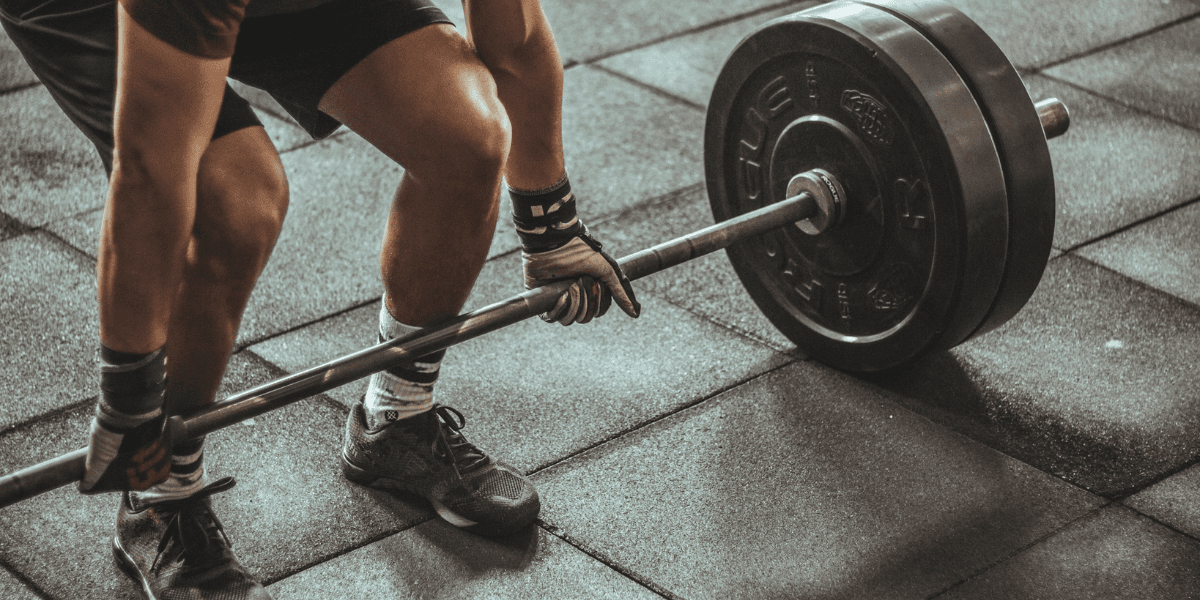
On May 4, 2026, the U.S. fitness community is seeing a notable surge in interest as the 2026 CrossFit Games qualification season enters a decisive phase. With thousands of athletes competing across regional events and online qualifiers, the annual competition has become a focal point for performance-driven fitness enthusiasts and a major influence on broader training trends among men.
The CrossFit Games, widely regarded as one of the most demanding tests of overall fitness, continues to grow in popularity. Participation in CrossFit-style training programs has increased steadily in recent years, driven by a combination of competitive appeal, community engagement, and measurable performance outcomes.
Rising Popularity of Functional Fitness
The 2026 qualification season highlights a broader shift toward functional fitness, a training approach that emphasizes strength, endurance, agility, and real-world movement patterns. Unlike traditional gym routines that isolate muscle groups, CrossFit-style workouts integrate compound movements such as squats, deadlifts, and high-intensity interval training.
Fitness analysts note that this trend aligns with changing preferences among men who are seeking efficient, results-oriented workouts. High-intensity interval training (HIIT) and functional training continue to rank among the most widely adopted fitness approaches globally.
For many participants, the appeal lies in both physical and mental benefits. Structured programs, competitive benchmarks, and community-driven environments create a sense of accountability and motivation that traditional workouts may lack.
Key Developments in the 2026 Season
As of early May, several developments are shaping this year’s qualification landscape:
- Expanded Regional Events: Organizers have increased the number of qualifying competitions across the United States, making participation more accessible.
- Digital Integration: Online leaderboards and performance tracking tools allow athletes to monitor progress in real time.
- Diverse Athlete Base: Participation continues to grow across different age groups and fitness levels, reflecting the inclusive nature of the sport.
The competition structure has been refined to balance accessibility with elite performance standards, ensuring that both newcomers and seasoned athletes can engage meaningfully.
Impact on Men’s Fitness Trends
The influence of the CrossFit Games extends far beyond competitive athletes. Gyms and fitness centers across the country are adapting their offerings to incorporate functional training zones, group classes, and performance-based programming.
For men focused on fitness and performance, several key trends are emerging:
- Efficiency Over Volume: Short, high-intensity workouts are replacing longer, less structured gym sessions.
- Performance Tracking: Wearable technology and fitness apps are becoming essential tools for monitoring progress.
- Strength and Conditioning Balance: Equal emphasis is placed on building strength and cardiovascular endurance.
These trends reflect a growing demand for practical, time-efficient fitness solutions that deliver measurable results.
Lifestyle and Wellness Benefits
Beyond physical performance, the CrossFit movement is influencing broader aspects of men’s lifestyle and wellness. Participants often report improvements in discipline, time management, and mental resilience.
The community-driven aspect of CrossFit also plays a significant role. Group workouts and shared goals foster social connections, which can contribute positively to mental well-being. Regular physical activity is widely associated with reduced stress levels and improved overall health outcomes.
This holistic approach aligns with the evolving definition of fitness, which now encompasses not only physical strength but also mental and emotional well-being.
Economic and Industry Influence
The continued growth of CrossFit-style training is also impacting the fitness industry. Equipment manufacturers, apparel brands, and fitness platforms are responding to increased demand for performance-oriented products and services.
Retailers are expanding their offerings to include functional training gear such as kettlebells, resistance bands, and specialized footwear. At the same time, digital fitness platforms are providing virtual coaching and personalized training programs, making structured fitness more accessible than ever.
The global fitness industry continues to show steady growth, with functional training playing a key role in driving consumer engagement and participation.
Practical Takeaways for Readers
For readers looking to enhance their fitness routines, the current momentum of the CrossFit Games qualification season offers several actionable insights:
- Incorporate compound movements into workouts for greater efficiency.
- Consider high-intensity interval training to maximize results in less time.
- Track progress using apps or wearable devices to stay motivated.
- Engage in group fitness activities to build consistency and accountability.
These strategies can help individuals achieve balanced fitness outcomes while aligning with current industry trends.
Conclusion
As the 2026 CrossFit Games qualification season progresses, it continues to shape the landscape of men’s fitness in the United States. The emphasis on functional training, performance tracking, and community engagement reflects a broader shift toward more dynamic and holistic approaches to health and wellness.
For modern men seeking practical and effective ways to improve their fitness, the lessons emerging from this year’s competition are both timely and relevant. With its growing influence on training methods and lifestyle habits, the CrossFit movement remains a powerful force in redefining what it means to be fit in today’s world.

Men's Newspaper Contributor
This article features partner, contributor, or branded content from a third party. Members of the Men's Newspaper editorial staff were not involved in the creation of this content. All views and opinions are those of the contributor alone.
You May Also Like