
San Diego Padres Edge Milwaukee Brewers 4–3 to Keep Division Series Competitive
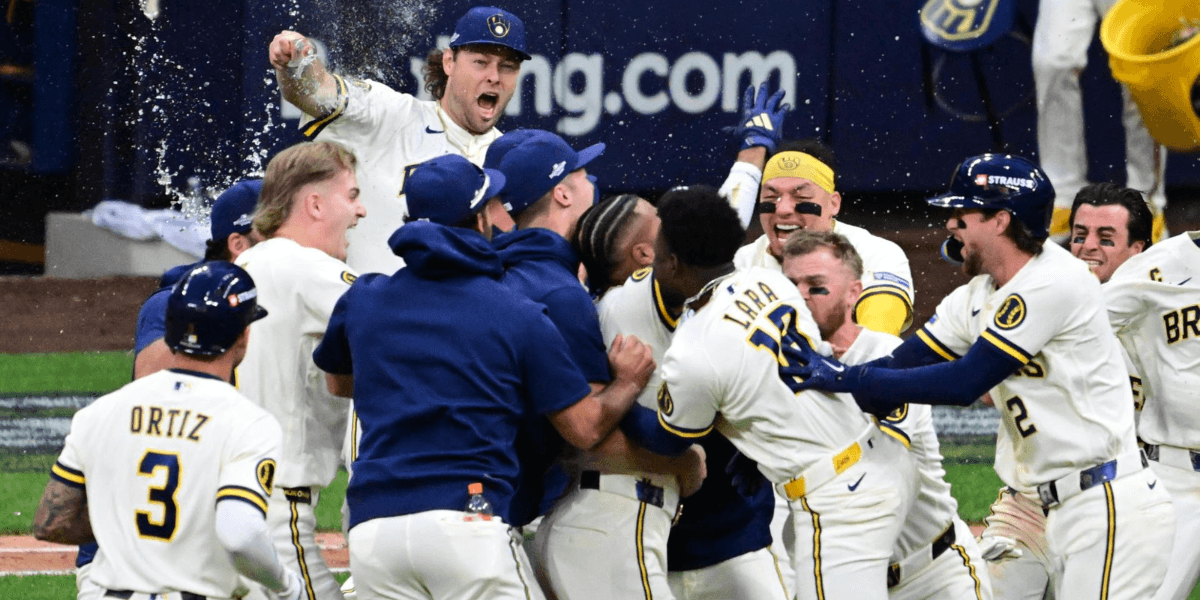
San Diego beat Milwaukee 4–3, keeping its postseason hopes alive as the teams battled for control of their division series.
The San Diego Padres defeated the Milwaukee Brewers 4–3 in Game 3 of their National League Division Series, keeping the matchup competitive and narrowing Milwaukee's advantage in the best-of-five contest.
The victory gave San Diego an important result in a postseason series where every game carries significant consequences. Milwaukee entered the matchup with a 2–0 series lead after winning the first two games, leaving the Padres under pressure to respond if they were to remain in contention.
The narrow result highlighted the importance of execution in October baseball, when a single run can determine whether a team's season continues or ends. It also demonstrated the demands placed on players and coaching staffs as they balance immediate performance with the physical and tactical requirements of postseason competition.
A Critical Opportunity for San Diego
The Division Series format rewards the first team to win three games. That structure leaves little room for recovery when a team falls behind early in a series.
After losing the opening two games, San Diego needed a victory to prevent Milwaukee from completing a sweep. The 4–3 result gave the Padres an opportunity to continue competing, although the Brewers retained the series advantage.
For San Diego, the win provided a chance to regain momentum and extend the contest. For Milwaukee, the narrow defeat meant the team would need another opportunity to secure advancement.
Postseason games can be shaped by individual moments, including a timely hit, a defensive play, a pitching change, or a decision about when to use a relief pitcher. Those moments become especially important when the final margin is only one run.
Why One Run Matters in October
A one-run game places additional importance on managing each scoring opportunity. Teams must consider whether to attempt an aggressive play, preserve a lead, or make a pitching change to address a specific hitter.
Managers also need to account for the availability of their bullpen. Relief pitchers may be used in high-pressure situations earlier than they would be during the regular season because the immediate consequences of a loss are greater.
The challenge is balancing short-term urgency with the demands of the next game. Using a key pitcher extensively can improve the chance of winning immediately but may limit that player's availability if the series continues.
Hitters face a different set of pressures. They must recognize pitches, avoid chasing difficult offerings, and capitalize on opportunities when runners reach scoring position.
A close result such as San Diego's 4–3 victory illustrates how the outcome of a postseason game can depend on several small decisions rather than a single overwhelming statistical advantage.
Milwaukee's Position in the Series
The Brewers entered Game 3 with a 2–0 advantage, having won the first two games. That position gave them a substantial opportunity to advance, but it did not eliminate the need to secure another victory.
A series lead can influence preparation, yet teams must continue treating each game as a separate contest. Opponents can adjust their pitching plans, alter their approach at the plate, and use different personnel combinations as the series progresses.
For Milwaukee, the defeat represented a missed opportunity to complete the series earlier. The team still held the advantage, but the result gave San Diego a path to continue competing.
The Brewers' challenge was to regain control in the next game while avoiding the mistakes that can allow an opponent to build confidence.
The Physical Demands of Postseason Baseball
October baseball places significant demands on players because the competitive intensity increases while the schedule can leave limited time for recovery.
Pitchers must manage workloads carefully, particularly when a team relies on a small group of relievers in high-leverage situations. Position players also face the physical demands of repeated games, travel, and the concentration required to perform under pressure.
Recovery routines, preparation, and communication between players and coaching staff become important during a short series.
The physical demands differ by position. Pitchers must manage throwing workloads, while position players repeatedly sprint, throw, hit, and make defensive decisions. Catchers face additional demands from squatting, receiving pitches, and coordinating the defense.
Teams must consider these factors when deciding how to allocate playing time and prepare for consecutive postseason games.
Strategy and Adjustments
Postseason baseball encourages detailed preparation because teams can devote considerable attention to an opponent's tendencies.
Coaches examine pitching patterns, hitter performance, defensive positioning, and opportunities to create favorable matchups. They may adjust batting orders or substitute players to address a specific situation.
However, strategic plans must remain flexible. A pitcher may perform differently from expectations, a hitter may make an adjustment, or an unexpected defensive play may change the course of a game.
The ability to respond without losing focus is an important part of postseason competition.
San Diego's victory gave the team an opportunity to carry that momentum into the next matchup. Milwaukee, meanwhile, needed to ensure that the narrow defeat did not disrupt its preparation for the remainder of the series.
A Postseason Battle Remains Open
The 4–3 result kept San Diego's postseason campaign alive and prevented Milwaukee from immediately completing the series.
The victory also reinforced the competitive nature of October baseball, where the difference between advancing and being eliminated can come down to a single run.
For San Diego, the next game represented another opportunity to extend the series. For Milwaukee, the objective remained securing the additional win required to advance.
The outcome demonstrated that even when one team holds a substantial series advantage, the contest remains unresolved until the necessary victories are secured.
As the Division Series continued, pitching decisions, defensive execution, and timely hitting remained central to the outcome. San Diego's win provided a reprieve and kept its postseason hopes active, while Milwaukee retained control of the series and another opportunity to move forward.

Men's Newspaper Contributor
This article features partner, contributor, or branded content from a third party. Members of the Men's Newspaper editorial staff were not involved in the creation of this content. All views and opinions are those of the contributor alone.
You May Also Like