Hybrid Athletes, Wearable Tech, and Outdoor Competition Shape Men’s Fitness Trends This Week

As April 27, 2026 begins, one of the biggest stories across men’s lifestyle media is the continued evolution of fitness culture. Performance training, recovery technology, functional style, and outdoor competition are increasingly blending together, creating a modern wellness model that appeals to active professionals, recreational athletes, and everyday men seeking practical results.
From wearable devices and hybrid training to the popularity of large-scale competitions, current trends suggest that fitness in 2026 is less about appearance alone and more about measurable health, long-term performance, and lifestyle balance.
Wearable Technology Leads the Fitness Conversation
Wearable technology remains one of the most influential trends in fitness this year. Devices such as smartwatches, heart-rate monitors, sleep trackers, and recovery bands are now central tools for people managing exercise routines and daily health metrics.
The popularity of these tools reflects a broader shift in how men approach wellness. Instead of relying solely on gym sessions, many now track sleep quality, step counts, heart-rate variability, training load, and recovery time. This data-driven mindset helps users train smarter, reduce overtraining risk, and maintain consistency.
For busy professionals, wearables also provide accountability. Short walks, standing reminders, hydration prompts, and stress tracking are helping users integrate health habits into demanding schedules.
The Rise of the Hybrid Athlete
Another major trend gaining momentum is hybrid fitness. This model combines strength training with endurance work such as running, cycling, rowing, or swimming. Rather than specializing in one area, many men now aim to build strength, stamina, mobility, and body composition simultaneously.
The appeal is practical. Hybrid training supports cardiovascular health while preserving muscle mass and functional strength. It also adds variety, which can improve motivation and long-term adherence.
Experts note that men in their 30s and 40s are especially drawn to hybrid plans because they balance aesthetics with longevity. Instead of pursuing short-term extremes, they are choosing routines that support performance in work, family life, and recreational sports.
Functional Competition Keeps Growing
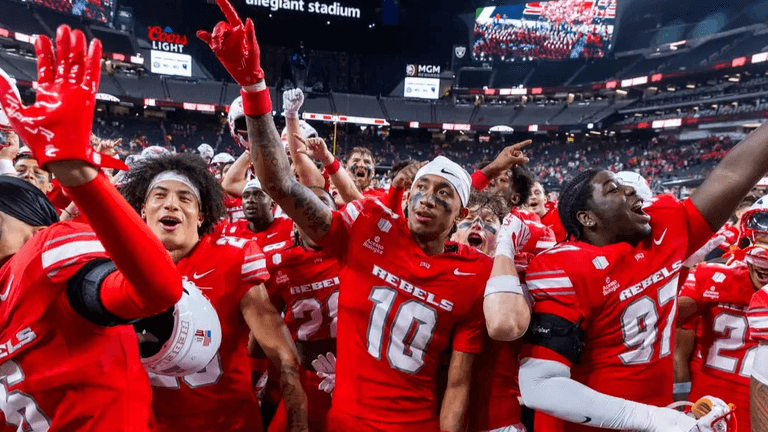
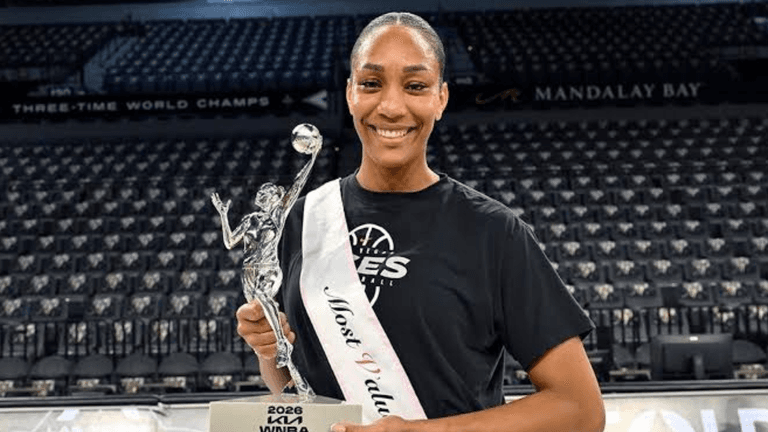
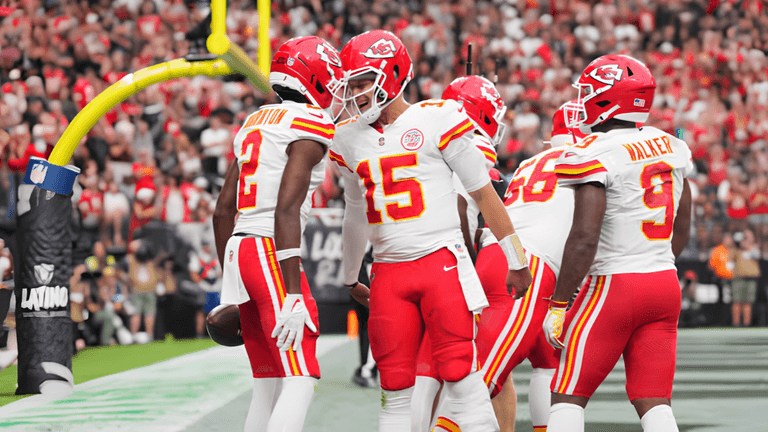
Competitive fitness continues to attract attention this season. Large-scale training events and performance challenges are drawing strong participation across gyms, clubs, and digital communities.
That level of interest highlights demand for structured challenges that combine lifting, endurance, skill, and community. Even for non-competitors, these events influence mainstream training by popularizing sled pushes, rowing intervals, kettlebell work, bodyweight circuits, and performance benchmarks.
Many gyms are adapting by offering challenge-based programs that replicate the motivation of competition without requiring elite athleticism.
Outdoor Adventure Fitness Expands
Spring weather across much of the United States is also pushing more men outdoors. Hiking, trail running, cycling events, recreational sports leagues, and obstacle races are seeing renewed seasonal interest.
This trend reflects a desire to make exercise more experiential. Instead of viewing fitness as a chore, consumers increasingly want movement tied to travel, scenery, social connection, or skill-building.
Adventure fitness also supports mental wellness. Outdoor activity has been linked with reduced stress, improved mood, and greater exercise adherence, making it especially attractive after long workweeks dominated by screens and sedentary time.
Recovery Is Now Part of Training
One of the clearest shifts in 2026 is the growing emphasis on recovery. Sleep quality, mobility work, hydration, stretching, and stress management are now widely recognized as performance factors rather than optional extras.
Many men are prioritizing routines that include walking, light mobility sessions, sauna use, and consistent sleep schedules. Recovery-focused habits are especially popular among professionals balancing exercise with demanding careers.
This reflects a more mature understanding of fitness: progress depends not only on hard training, but also on the ability to recover and repeat quality sessions over time.
Style Meets Performance
Fitness apparel remains closely tied to lifestyle trends. Athleisure continues to dominate because it bridges gym use and everyday wear. Lightweight jackets, technical joggers, minimalist trainers, and moisture-wicking basics are increasingly designed to move from workouts to errands or travel.
For modern consumers, value now comes from function plus appearance, not one or the other.
Key Takeaways for Readers
The biggest men’s fitness story right now is not a single workout program or diet trend. It is the shift toward integrated performance living.
That means:
- Using wearable data to guide habits
- Combining strength with endurance
- Training for function, not just looks
- Prioritizing recovery
- Choosing active outdoor experiences
- Wearing gear that fits both workouts and daily life
As 2026 continues, the men seeing the best long-term results may be those who focus less on extremes and more on sustainable systems. Fitness is increasingly becoming a lifestyle framework, not a temporary phase.

Men's Newspaper Contributor
This article features partner, contributor, or branded content from a third party. Members of the Men's Newspaper editorial staff were not involved in the creation of this content. All views and opinions are those of the contributor alone.
You May Also Like