
Americans Turn to Strength Training and Wearable Tech as Fitness Trends Surge in 2026
One of the most relevant lifestyle and wellness stories in the United States today, April 23, 2026, is the continued rise of strength-focused training, recovery technology, and wearable fitness tracking as Americans reshape how they approach health and performance. Across gyms, home workouts, sports clubs, and wellness communities, consumers are investing more time in measurable fitness results rather than quick-fix routines.
The shift reflects a broader movement toward sustainable training habits, longevity, and data-driven wellness. For modern men balancing careers, family life, and personal goals, this trend is becoming one of the defining health stories of the year.
Strength Training Moves Into the Mainstream
For years, cardio workouts dominated many fitness programs. In 2026, strength training continues to gain momentum as more Americans prioritize muscle health, mobility, metabolism, and injury prevention.
Recent industry surveys listed strength training, functional fitness, exercise programs for older adults, wearable technology, and personal training among the leading fitness trends of the year.
Experts increasingly note that resistance training supports bone density, posture, balance, and long-term physical independence. It can also help maintain lean muscle mass during aging, making it especially relevant for men over 30 seeking lasting health benefits.
Today’s gym culture is also shifting away from purely aesthetic goals. Many participants now focus on measurable improvements such as stronger lifts, better movement quality, improved endurance, and reduced pain.
Wearable Technology Becomes a Daily Tool
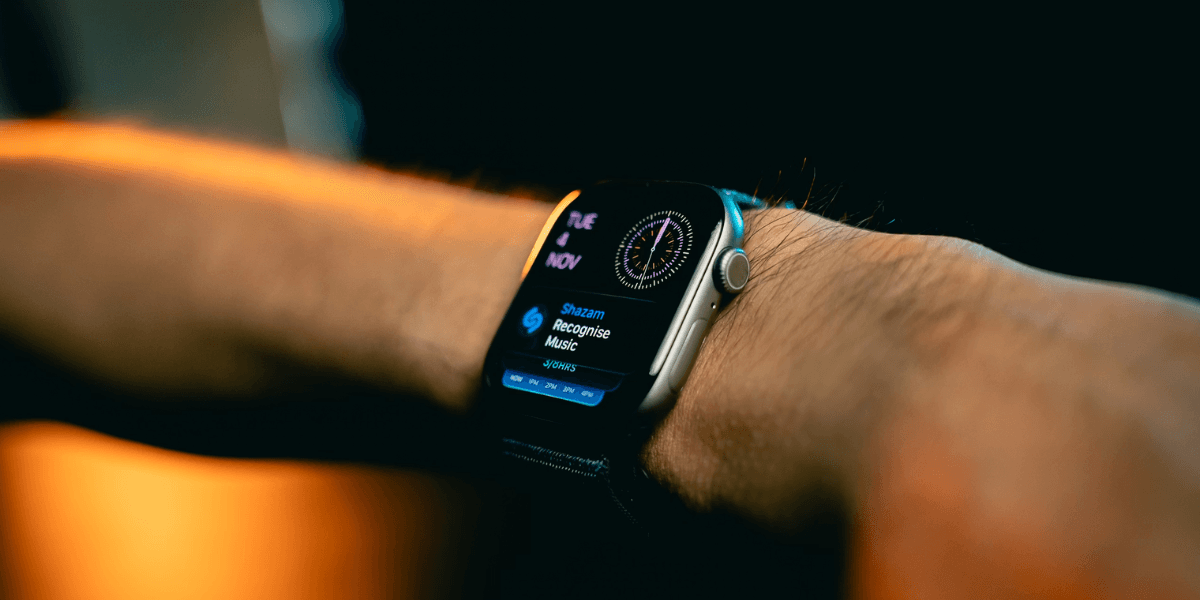
Another major trend shaping fitness in 2026 is the use of wearable devices such as smartwatches, heart-rate monitors, recovery bands, and GPS activity trackers.
These devices help users monitor:
- Daily step count
- Sleep duration and quality
- Resting heart rate
- Workout intensity
- Recovery readiness
- Calorie expenditure
- Running or cycling distance
For many men, wearable tools provide accountability and structure. Instead of guessing progress, users can track patterns and adjust habits based on data.
That can be especially useful for busy professionals trying to fit exercise around work schedules. Shorter but more efficient sessions are often easier to maintain than inconsistent long workouts.
Recovery Now Matters as Much as Training
One of the most noticeable changes in modern fitness culture is the growing emphasis on recovery. Stretching, mobility work, massage tools, saunas, cold plunges, and sleep optimization are now common parts of wellness routines.
Health professionals continue to emphasize the importance of sleep, movement, and stress management for overall health and physical performance. Quality recovery supports hormone balance, concentration, immune function, and workout adaptation.
Rather than treating rest as inactivity, many athletes and recreational exercisers now see recovery as a performance strategy.
This mindset is changing how men train. Instead of pushing hard every day, more people are using balanced weekly plans that include heavy sessions, lighter movement days, and intentional rest.
Why This Trend Matters for Men
The popularity of smarter fitness habits has practical benefits beyond the gym.
- Better Energy for Work and Family
Consistent training and sleep habits often improve focus, stamina, and daily productivity. - Injury Prevention
Strengthening joints, improving mobility, and managing recovery can reduce overuse injuries. - Long-Term Health
Regular resistance exercise is associated with improved metabolic health, body composition, and physical function. - Confidence and Discipline
Structured fitness routines often build confidence that carries into careers and personal life.
Home Fitness Still Holds Strong
While gyms remain popular, home training remains a major part of the fitness landscape. Adjustable dumbbells, kettlebells, resistance bands, rowing machines, and connected workout apps continue to grow in popularity across the United States.
Many consumers now combine both approaches: gym sessions for heavy lifting and home workouts for convenience. Hybrid training models have become common for people who want flexibility without sacrificing results.
Smart Fitness Over Extreme Fitness
Another important cultural shift is the move away from unsustainable “all or nothing” approaches. Experts increasingly recommend moderate, repeatable habits rather than extreme short-term transformations.
That includes:
- Walking daily
- Strength training two to four times weekly
- Prioritizing sleep
- Eating balanced meals consistently
- Tracking progress over months, not days
This approach is especially appealing to men seeking realistic performance gains while managing demanding schedules.
Key Takeaways
Today’s biggest U.S. fitness story is not a fad workout or miracle shortcut. It is the continued rise of strength training, wearable technology, and recovery-focused routines that help people train smarter and stay consistent.
For men focused on performance, longevity, and practical health, 2026 is shaping up as the year of measurable progress over hype. Strong habits, smart tools, and steady discipline remain the winning formula.

Men's Newspaper Contributor
This article features partner, contributor, or branded content from a third party. Members of the Men's Newspaper editorial staff were not involved in the creation of this content. All views and opinions are those of the contributor alone.
You May Also Like