
Golden State Valkyries Defeat Atlanta Dream to Capture a Landmark WNBA Finals Victory
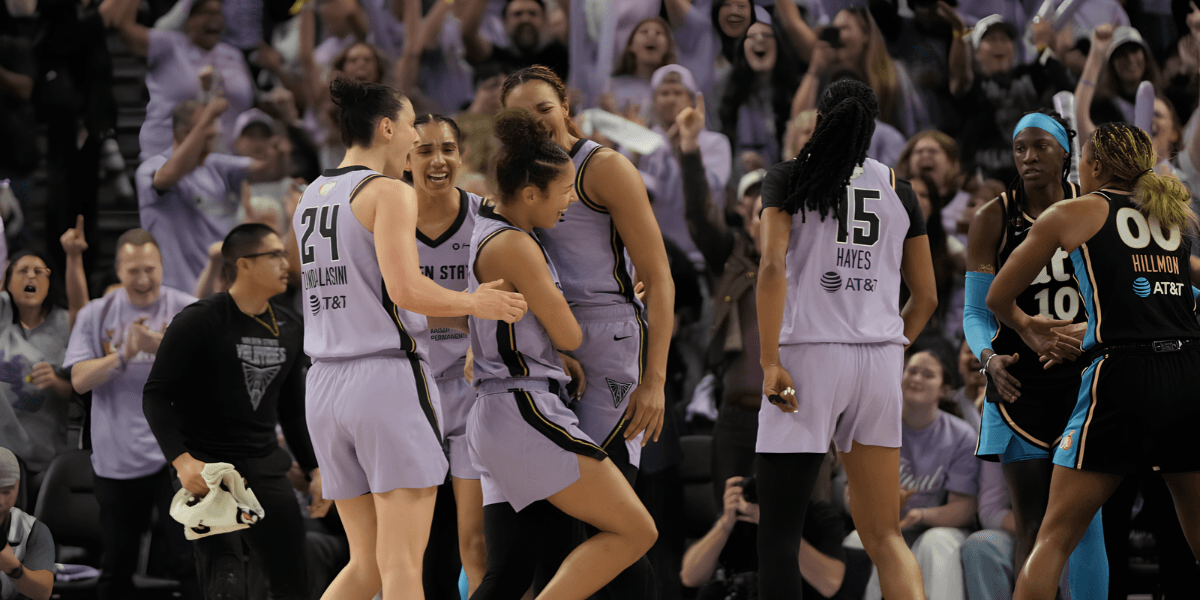
Golden State defeated Atlanta 64–55 in the WNBA Finals, delivering a defensive performance that secured a major result on basketball's biggest stage.
The Golden State Valkyries defeated the Atlanta Dream 64–55 in the WNBA Finals on October 26, closing out a championship contest defined by a low-scoring finish and the importance of defensive execution. The result was among the day's major professional basketball outcomes and highlighted how teams can win high-pressure games by limiting an opponent's scoring opportunities.
The game offered a contrast to the high-scoring results seen elsewhere in professional basketball that evening. While some NBA teams scored well over 120 points, the Valkyries and Dream finished with a combined 119 points. That total placed greater emphasis on possession management, shot selection and the ability to make stops when the opposing team threatened to build momentum.
Defense and execution under pressure
Basketball performance is often measured through points scored, shooting percentages and individual statistics. But in a championship game, defensive positioning and decision-making can be equally important. Teams must contest shots without giving away easy fouls, protect the basket, secure rebounds and prevent opponents from creating second-chance opportunities.
A nine-point final margin meant that Atlanta remained close enough for the contest to require sustained concentration. In games with relatively few points, a short scoring run can significantly alter the momentum. A missed defensive assignment or a series of empty possessions can carry greater weight when neither team is consistently producing high-scoring sequences.
For Golden State, the final score established that the team produced enough offense while keeping Atlanta below 60 points. The result does not, on its own, identify which defensive schemes or individual matchups made the greatest difference. Those questions require detailed game statistics and play-by-play analysis. Nevertheless, the outcome demonstrates the value of limiting an opponent's overall production in a high-stakes setting.
Physical conditioning and recovery
Professional basketball requires a combination of aerobic conditioning, explosive strength, coordination and decision-making under fatigue. Players must repeatedly accelerate, stop, change direction, jump and make contact while maintaining control of the ball. Those demands make conditioning and recovery important throughout a season, especially during playoff competition.
As the schedule intensifies, athletes must manage fatigue while preparing for opponents with different playing styles. Recovery routines, adequate sleep, nutrition, hydration and appropriate training loads can support performance, although individual needs vary according to health, workload and medical guidance.
Coaches also manage substitutions and playing time to maintain intensity without overtaxing players. A team that can sustain defensive focus late in a close game may be better positioned to prevent opponents from taking advantage of tired legs or slower reactions.
The wider importance of the WNBA Finals
Championship games provide a platform for teams to demonstrate the collective work that occurs across an entire season. The final result reflects more than a single night's shooting; it follows months of training, tactical preparation, player development and adaptation to the competition.
The WNBA has continued to attract attention from fans interested in elite women's basketball, with individual performances and team success contributing to the league's broader profile. Finals matchups also showcase the tactical complexity of the sport, including defensive switches, help defense, rebounding battles and the importance of spacing on offense.
For the Valkyries, the 64–55 victory provided a major competitive milestone. For Atlanta, the result represented a difficult ending to a championship contest in which offensive production was not enough to match Golden State's total.
The score offers a reminder that athletic success does not always depend on overwhelming offensive numbers. In close, high-pressure competition, teams must combine conditioning, discipline and sound decisions across both ends of the court. Golden State's victory on October 26 illustrated how defense and execution can define the outcome when every possession matters.

Men's Newspaper Contributor
This article features partner, contributor, or branded content from a third party. Members of the Men's Newspaper editorial staff were not involved in the creation of this content. All views and opinions are those of the contributor alone.
You May Also Like