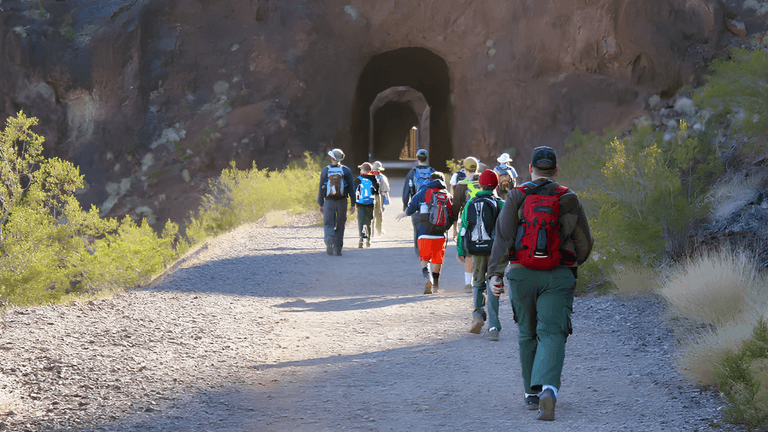
Nevada’s Statewide Trails Plan Could Shape the Future of Outdoor Adventure
Nevada’s first statewide trails planning effort aims to gather public feedback on hiking, cycling, horseback riding and off-highway recreation.
Nevada is gathering public feedback for its first statewide trails plan, an initiative that could influence how outdoor recreation routes are developed, maintained and managed across the state. The effort includes hiking, mountain biking, horseback riding and off-highway vehicle activities, bringing together recreational communities with different needs and expectations.
Nevada offers a wide range of outdoor environments, from desert terrain and open valleys to mountainous landscapes. These settings attract residents seeking regular exercise and visitors looking for longer adventures, but they also create challenges for maintaining safe, accessible and environmentally responsible trail networks.
The public survey associated with the planning process remains open through November 30, giving trail users an opportunity to identify priorities and share information about the routes they use.
Why Trail Planning Matters
A trail network is more than a collection of paths. It requires access points, maps, signage, maintenance, clear rules and coordination among the agencies or organizations responsible for managing the land. Without those elements, visitors may struggle to identify suitable routes, understand restrictions or prepare for changing conditions.
A statewide plan can help establish priorities across different regions. Some communities may need better connections between neighborhoods and nearby outdoor areas, while more remote destinations may require improvements to route information, maintenance access or emergency response planning.
Trail users also have different expectations. Hikers may prioritize quiet routes and natural surroundings. Mountain bikers may seek varied terrain and safe connections between trails. Horseback riders need appropriate surfaces and access, while off-highway vehicle users require designated routes that account for vehicle use and environmental limits.
Planning across these interests can help reduce conflicts and clarify where particular activities are suitable.
Preparation and Safety for Outdoor Users
The planning initiative also highlights the importance of responsible recreation. Visitors heading into remote areas should understand the difficulty of their chosen route, carry appropriate water and supplies, and prepare for changes in weather and terrain.
In desert environments, heat and limited water availability can make even familiar routes challenging. Mountain conditions can change quickly, and a trail that is straightforward in one season may become more difficult when weather or surface conditions shift. Reliable maps and clear signs help users make informed decisions before setting out.
Safety depends on individual preparation as well as public infrastructure. Visitors should follow posted restrictions, remain on designated routes and avoid activities beyond their ability or equipment. Agencies can support these choices by providing accurate information about trail conditions and known hazards.
A statewide plan may help identify where better information, signage or access management would be valuable, although implementation will depend on funding and local responsibilities.
Recreation and Environmental Stewardship
Nevada's outdoor destinations are valuable partly because of their natural character. Increased use can bring economic benefits and more opportunities for residents to enjoy public lands, but it can also create pressure on vegetation, wildlife habitat and soil.
Poorly managed routes may widen through repeated use, contribute to erosion or encourage unauthorized travel into sensitive areas. Motorized recreation can create additional concerns where routes are not clearly designated or where noise and land impacts affect other users.
Planning can help direct recreation toward appropriate areas, identify places that require additional protection and establish maintenance priorities. Seasonal restrictions or route adjustments may be necessary where wildlife, weather or environmental conditions make particular uses unsuitable.
Responsible access does not always mean opening more land. In some locations, improving existing trails may provide better experiences while limiting the impact of new construction. In others, carefully selected routes may help accommodate demand while protecting sensitive landscapes.
Economic Opportunities for Nevada Communities
Outdoor recreation can support local businesses through spending on lodging, food, fuel, equipment, guiding and other services. Communities near popular destinations may benefit when visitors stay longer or return regularly.
However, tourism also requires planning. Increased visitation can create demand for parking, waste services, emergency response and road maintenance. Local businesses may experience seasonal fluctuations, making it important to consider how recreation-related spending can support durable economic activity.
Trail connections can also benefit residents who do not travel long distances for adventure. Nearby routes provide opportunities for walking, cycling and exercise, making outdoor access part of everyday community life rather than an activity reserved for visitors.
The statewide planning process may help identify opportunities to improve connections between communities and recreational areas, while recognizing that each region has different infrastructure and conservation needs.
Public Feedback and Long-Term Priorities
The survey offers residents and visitors a way to share their experiences with Nevada's existing trails. Useful feedback can include maintenance problems, missing connections, safety concerns, access barriers and conflicts between recreational activities.
The challenge will be turning that feedback into practical decisions. A plan can identify priorities, but trail improvements require resources, land-management coordination and clear responsibility for ongoing maintenance. Projects may also need environmental review or other approvals before work begins.
For outdoor enthusiasts, the value of the initiative will ultimately be measured in the quality and reliability of the trails available to them. Better planning can make routes easier to navigate, reduce avoidable conflicts and help protect the landscapes that draw people outdoors.
Nevada's first statewide trails plan offers a chance to consider recreation as a connected system rather than a series of isolated projects. Its long-term success will depend on balancing access, safety, conservation and community needs while providing a practical framework for future investment.

Men's Newspaper Contributor
This article features partner, contributor, or branded content from a third party. Members of the Men's Newspaper editorial staff were not involved in the creation of this content. All views and opinions are those of the contributor alone.
You May Also Like