Nevada Begins Planning Its First Statewide Trails Network Strategy
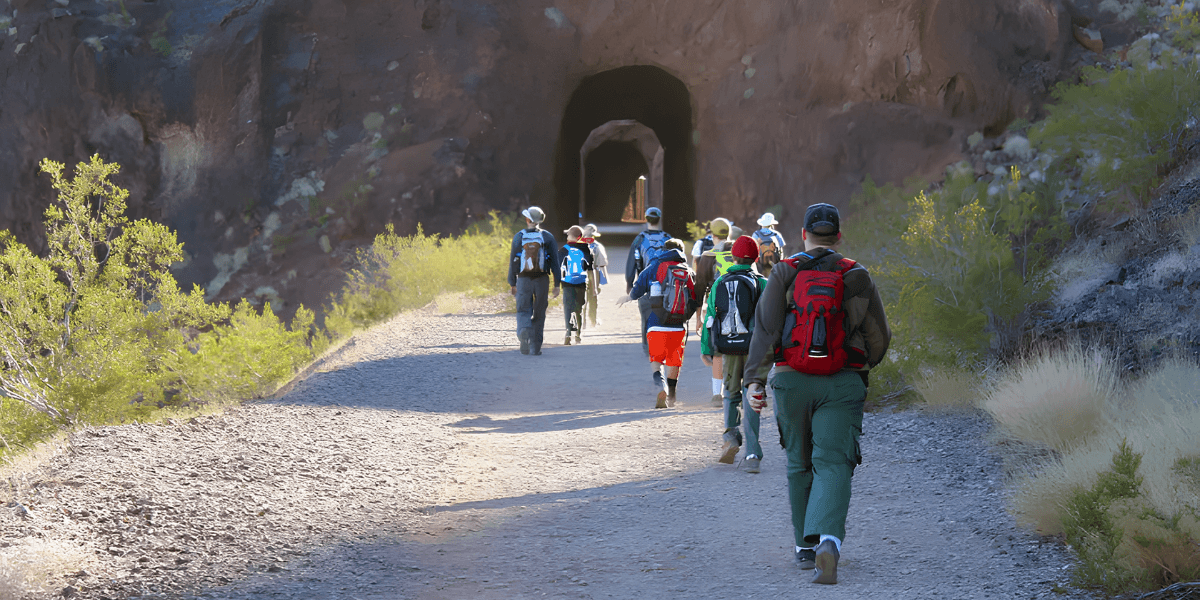
The public consultation will help state agencies assess recreation access, trail maintenance, safety, and future outdoor infrastructure.
Nevada has opened a public consultation for its first statewide trails plan, giving residents an opportunity to describe their recreation habits and identify improvements needed across the state's outdoor trail systems. The initiative, reported on October 14, is intended to guide how trails are developed, accessed, and managed for activities including hiking, mountain biking, horseback riding, and off-highway vehicle recreation.
The survey was scheduled to remain open through November 30. Its findings are expected to help planners understand how different communities use outdoor routes and where improvements may be needed.
The effort is particularly relevant in Nevada, where outdoor recreation ranges from urban walking and cycling routes to remote desert tracks and mountain trails. Those environments have different infrastructure needs, making statewide coordination a potentially useful tool for long-term planning.
A Broad Range of Outdoor Activities
Nevada's trails serve users with different goals and levels of experience. Hikers may seek marked routes with clear navigation, while mountain bikers need paths suited to riding conditions and varying skill levels. Equestrian users and off-highway vehicle enthusiasts have different requirements involving route surfaces, access, and the management of shared spaces.
A statewide plan can help agencies examine those needs together. Rather than approaching every trail as a separate project, planners can consider how routes connect, where access is limited, and which areas may need additional maintenance or clearer information.
Public feedback is an important part of this process because residents often know how trails function in everyday use. They may identify damaged surfaces, unclear signs, parking difficulties, unsafe crossings, or routes that are difficult to access.
The information gathered through the consultation can help guide future discussions, although it will need to be assessed alongside environmental, financial, and land-management considerations.
Safety and Responsible Recreation
Outdoor recreation offers opportunities for exercise, exploration, and time spent away from heavily developed areas. However, trails can present risks when users encounter unfamiliar terrain, changing weather, limited visibility, or routes that exceed their experience.
Planning can help address some of these issues through clearer signage, suitable route design, maintenance, and information about permitted activities. Remote trails may also require particular attention to navigation and emergency access because services can be far away.
Shared-use routes introduce additional considerations. Hikers, cyclists, riders, and motorized users may move at different speeds and have different expectations about trail conditions. Clear guidance and appropriate design can help reduce conflicts.
A statewide framework could help identify where these challenges are most common, while local managers would still need to respond to the specific conditions of individual trail systems.
Protecting Nevada's Landscapes
Trail development and management must account for the natural environments through which routes pass. Nevada's desert and mountain landscapes can be vulnerable to erosion, habitat disturbance, and damage caused by poorly managed recreation.
The location of a trail can influence how much environmental pressure it creates. Route design, drainage, maintenance, and restrictions in sensitive areas can all affect the long-term condition of the surrounding landscape.
Planning also involves balancing access with conservation. Residents may want more routes or easier access to popular destinations, while land managers must consider environmental protections and the capacity of an area to accommodate visitors.
Public consultation can help identify where users experience problems, but environmental review and practical management remain necessary before particular improvements are implemented.
Recreation's Wider Economic Role
Outdoor activities contribute to local economies through spending on equipment, lodging, food, transportation, guiding services, and other visitor needs. The importance of these activities varies across the state, depending on proximity to recreation areas and the volume of visitors.
Well-managed trails can support local recreation opportunities and help visitors explore areas outside major population centers. However, the existence of a statewide planning process does not guarantee that visitor numbers or tourism revenue will increase.
Economic benefits depend on the quality of access, the suitability of facilities, the availability of nearby services, and the responsible management of increased use.
Local businesses may benefit when outdoor recreation attracts visitors, but communities must also consider maintenance expenses, environmental pressures, parking, and other infrastructure needs.
Why Public Participation Matters
The statewide survey gives residents and recreation groups a way to contribute to decisions about future trail management. Input from different regions can help agencies distinguish statewide priorities from concerns specific to individual locations.
The resulting plan may help guide future investment, maintenance priorities, route development, and coordination among agencies. Its effectiveness will depend on the quality of the information collected and the resources available to implement recommendations.
The process cannot guarantee that every requested improvement will be funded or approved. Instead, it creates a structured opportunity to identify needs and consider them within a broader statewide strategy.
The Future of Nevada's Trail Systems
The planning effort reflects the importance of treating outdoor recreation as infrastructure that requires maintenance, coordination, and long-term management.
For residents, trails provide opportunities for physical activity and access to Nevada's natural landscapes. For communities, they can support recreation and tourism. For land managers, they create responsibilities involving safety, environmental protection, and competing demands for access.
The public consultation is an early step in developing a statewide approach. Its longer-term value will depend on how agencies use the feedback to establish priorities and address the different needs of Nevada's outdoor recreation communities.

Men's Newspaper Contributor
This article features partner, contributor, or branded content from a third party. Members of the Men's Newspaper editorial staff were not involved in the creation of this content. All views and opinions are those of the contributor alone.
You May Also Like