
Fitness in 2026: Wearable Tech and Personalized Training Reshape Health Culture
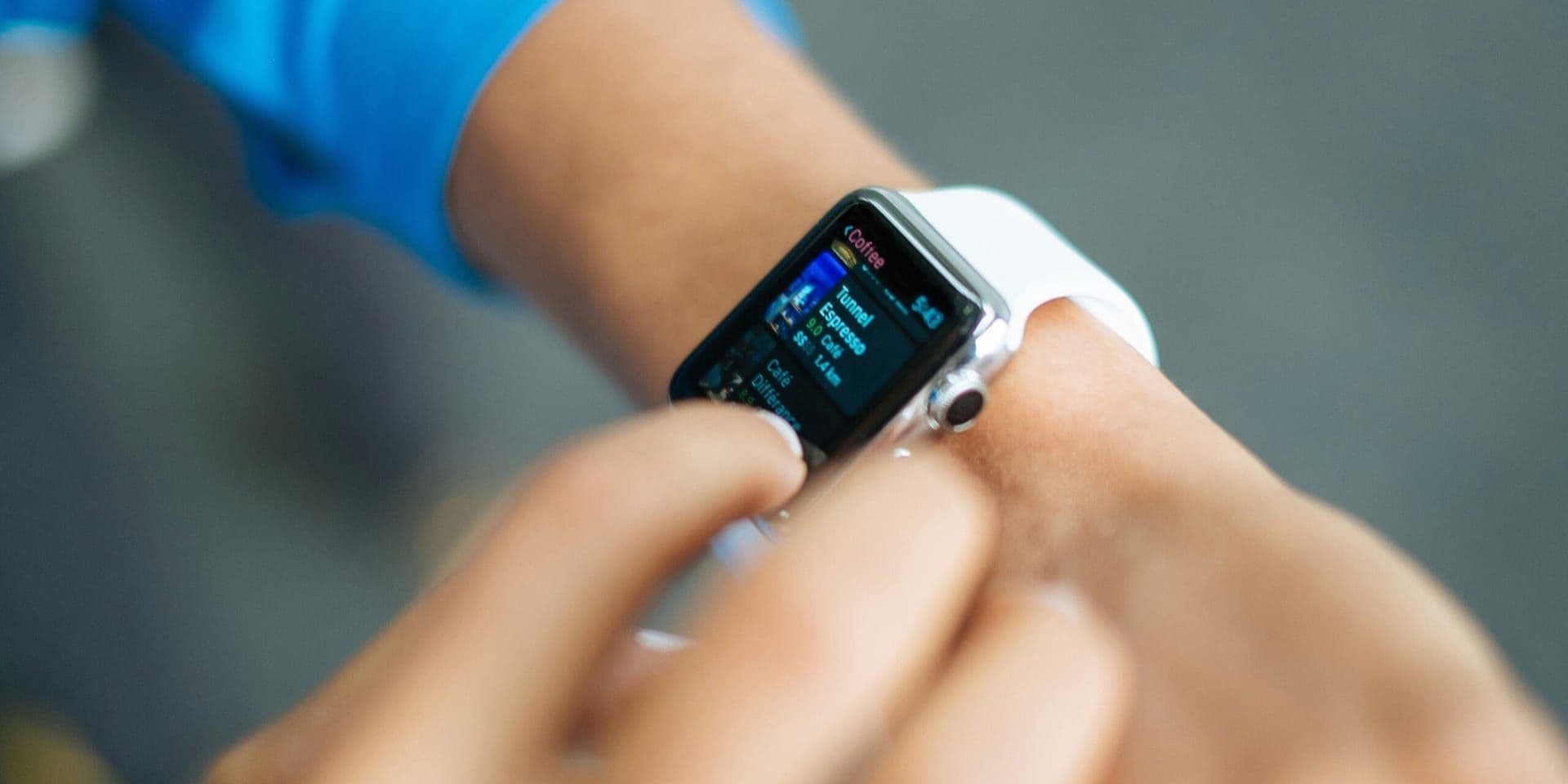
As the new year begins, fitness professionals, enthusiasts, and health researchers are focusing on wearable technology and personalized training as the leading forces shaping how people approach exercise and wellness in 2026. According to the American College of Sports Medicine’s latest global fitness trends forecast, wearable technology once again ranks as the top trend, solidifying its dominance in the ever-evolving health and fitness landscape. From smartwatches to sophisticated biosensors, these tools are now capable of tracking a wide range of vital signs and performance metrics, including heart rhythm, blood pressure, glucose levels, skin temperature, sleep cycles, and even stress indicators.
This surge in wearable innovation reflects a broader shift toward customized fitness solutions. Unlike traditional exercise programs that rely on generalized guidelines, modern training methods are becoming increasingly personalized, drawing on real-time data to create adaptive and individualized regimens. The data collected by wearables provides insights that were previously only available through clinical testing, giving users unprecedented control over their physical performance and overall well-being. Whether someone is training for a marathon, recovering from an injury, or managing a chronic condition, wearable devices now serve as essential companions in designing efficient, goal-specific workouts.
Artificial intelligence is also playing a larger role in fitness technology. Many wearable platforms now include AI-powered coaching systems that analyze user data and provide tailored recommendations. These digital coaches can adjust workouts in response to fatigue levels, heart rate variability, or even external conditions such as temperature and air quality. The result is a more intuitive, responsive fitness experience that adapts in real time to each user’s unique physiological needs. This level of personalization is encouraging longer-term engagement, particularly among individuals who may have struggled with consistency or motivation in the past.
Another trend gaining momentum is the integration of wearable tech with mobile exercise applications. These apps, which have proliferated in both free and subscription-based formats, offer users guided workouts, performance analytics, and wellness tracking. When paired with wearable devices, they create an interactive ecosystem where users can track their progress, receive feedback, and modify their training strategies on the go. This convenience has made mobile fitness solutions especially attractive to busy professionals, parents, and anyone seeking a flexible alternative to in-person gyms or classes.
While technology leads the way, the fitness trends of 2026 are also driven by shifting health priorities. There’s a growing demand for programs focused on weight management, core stability, balance training, and functional fitness. These areas are especially important for aging populations and individuals recovering from injury or managing chronic conditions. Exercise routines that enhance stability and prevent falls are becoming standard for older adults, while core strength is emphasized for improving posture, reducing back pain, and enhancing everyday mobility. These practices are moving beyond niche audiences and into the mainstream, reflecting a more comprehensive view of fitness as a lifelong pursuit rather than a short-term aesthetic goal.
Mental health and stress management have also become central to how people approach fitness. With the rise of mindfulness practices and greater awareness of the mind-body connection, more individuals are incorporating yoga, Pilates, breathwork, and meditation into their routines. Wearables now include features that track stress responses, breathing patterns, and sleep quality, giving users a better understanding of how emotional well-being influences physical performance. This holistic perspective is changing how people define success in fitness—not by how much weight they lift or how fast they run, but by how balanced, rested, and resilient they feel.
In this environment, fitness is no longer confined to the gym. Virtual classes, live-streamed training sessions, and on-demand video platforms have exploded in popularity. These digital communities allow people to participate in fitness challenges, attend group workouts, and share progress with friends and family, regardless of location. Many fitness brands and influencers have leaned into this shift, creating robust online communities that foster accountability and social connection. The social aspect of digital fitness is proving essential for motivation, particularly among younger users who value the communal aspect of wellness.
Fitness professionals, too, are adapting to this changing landscape. Personal trainers, physical therapists, and coaches are increasingly relying on data from clients’ wearable devices to inform their work. This allows for more precise goal setting, better tracking of progress, and earlier identification of potential health issues. Trainers can now make decisions backed by biometric evidence, enhancing their credibility and effectiveness while improving outcomes for clients. For those working in rehabilitation or chronic disease management, the combination of wearables and data analytics is a game-changer, allowing for real-time monitoring and proactive adjustments to care plans.
While the benefits of wearable tech and personalized training are clear, challenges remain. Concerns about data privacy, device accuracy, and technology fatigue have prompted calls for clearer regulations and better consumer education. Some experts caution that an over-reliance on metrics can lead to burnout or unhealthy obsession with numbers. To address this, many fitness professionals are encouraging users to use technology as a tool rather than a crutch—an aid to awareness, not a substitute for intuition and balance.
As the fitness world evolves, 2026 may be remembered as a year in which technology and personalization fundamentally reshaped how people relate to health and wellness. By merging data with design, and convenience with customization, wearable tech and adaptive training are creating a fitness culture that is more inclusive, accessible, and sustainable than ever before. Whether in urban gyms, rural homes, or virtual communities, people are finding new ways to move, train, and thrive on their own terms.
Source: American College of Sports Medicine

Men's Newspaper Contributor
This article features partner, contributor, or branded content from a third party. Members of the Men's Newspaper editorial staff were not involved in the creation of this content. All views and opinions are those of the contributor alone.
You May Also Like