Personalized Tech and Age-Inclusive Programming Lead U.S. Fitness Trends in 2025
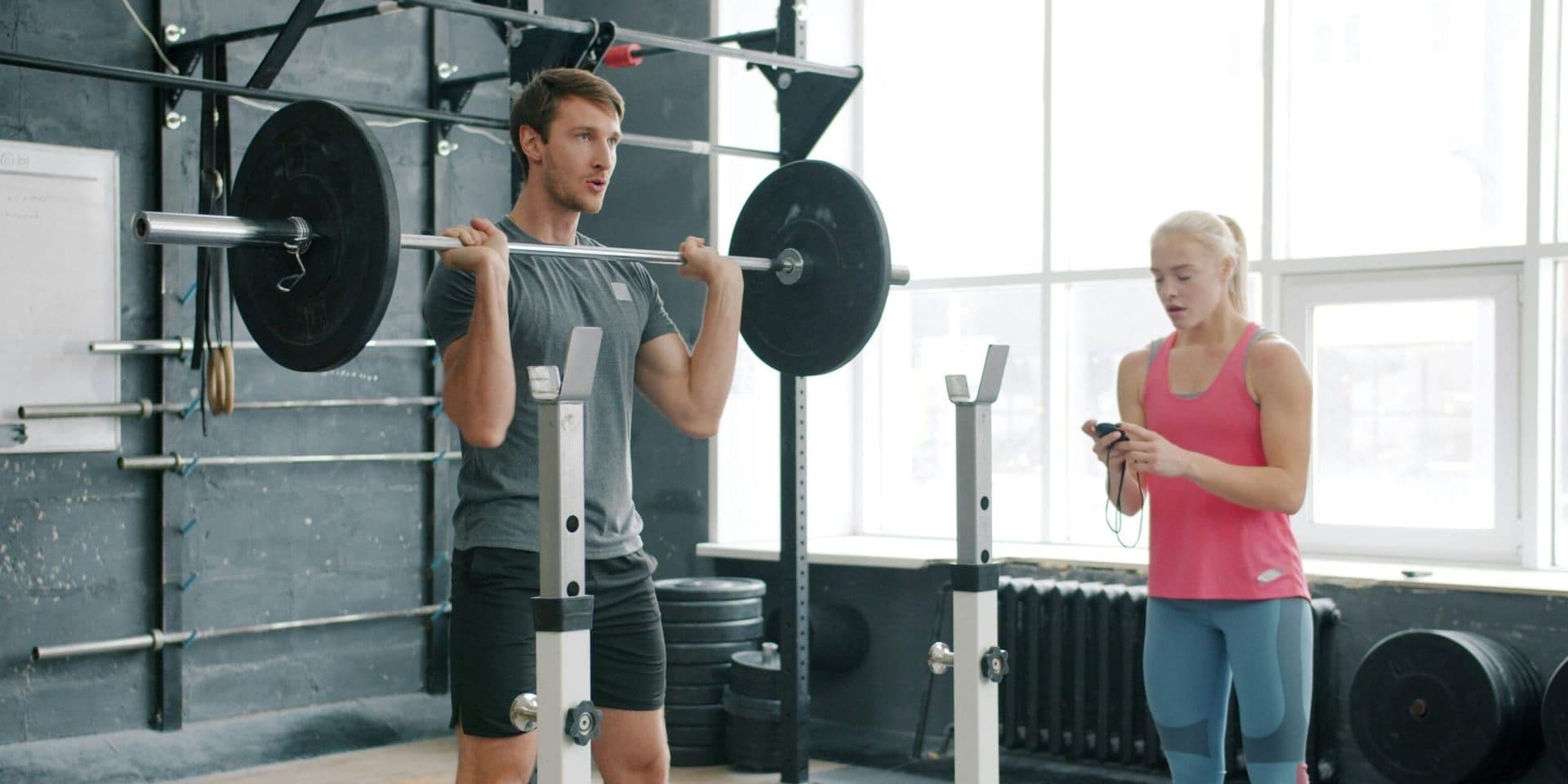
As 2025 winds down, the U.S. fitness industry is closing the year with a clear understanding of the forces shaping how Americans train, recover, and stay healthy. From high-tech tools to targeted wellness solutions for older adults, the top fitness trends of the year reflect a sector in transformation—one increasingly shaped by digital innovation, personalized coaching, and inclusive approaches that aim to serve a broader demographic.
According to findings from the American College of Sports Medicine’s (ACSM) annual worldwide survey of fitness professionals, wearable technology remains the most influential trend for the second consecutive year. Fitness wearables have significantly evolved since their early focus on step counts and basic heart rate monitoring. In 2025, they offer in-depth, real-time metrics such as heart rate variability, oxygen saturation, sleep stages, stress levels, and even readiness scores that help guide users through their training and recovery cycles. For both recreational users and elite athletes, these devices provide a window into physiological responses that once required lab-grade equipment, enabling smarter and safer workouts.
Wearable devices have become essential for those pursuing high performance, offering on-the-go analytics that inform everything from pacing strategies to hydration and rest. Trainers are also integrating wearable data into client programming, enhancing the precision of coaching and allowing for more individualized fitness journeys. The widespread adoption of this technology has made real-time feedback a cornerstone of modern training, giving users actionable insights that extend beyond the gym and into everyday lifestyle decisions.
Read Also: https://mensnewspaper.com/mens-health-program-in-atlanta-focuses-on-brain-health-legal-awareness/
The second most prominent trend in 2025 has been the explosive growth of mobile exercise applications. These platforms now provide personalized fitness experiences that rival in-person sessions, offering tailored workouts, progress tracking, and even community features that simulate group training environments. With options for yoga, strength training, cardiovascular workouts, and recovery routines, fitness apps have democratized access to professional-level guidance. Users across the country—whether in rural areas, urban centers, or traveling on the go—can now engage in structured workouts from the convenience of their own space and on their own schedule.
Mobile fitness solutions have become particularly valuable for time-strapped professionals and families, and they continue to bridge accessibility gaps for individuals who might not feel comfortable in traditional gym settings. In many cases, apps also incorporate wearable data to refine exercise plans in real time, providing a seamless integration of technology and training. The convenience and adaptability of these platforms have made them a permanent fixture in the fitness landscape.
A notable and growing trend this year is the prioritization of fitness programming for older adults. As the population ages and the concept of “active aging” gains traction, fitness professionals are increasingly developing routines that cater to the needs of individuals aged 55 and older. These programs go beyond general wellness, focusing on functional strength, joint stability, flexibility, and balance—all of which contribute to long-term independence and injury prevention.
The expansion of age-specific training is not just a response to demographics; it’s also a reflection of growing evidence that regular, well-designed physical activity can prevent or delay many of the chronic conditions associated with aging. Fitness centers, community health programs, and digital platforms have all stepped up to offer modified classes, small group training, and one-on-one coaching for older adults. These offerings have seen strong uptake across the country, helping reshape societal views on aging and physical capacity.
While technology and inclusivity dominated the narrative in 2025, traditional fitness formats have also held their ground. Strength training and high-intensity interval training (HIIT) remained highly ranked among fitness professionals for their effectiveness in building muscle, boosting metabolism, and improving cardiovascular health. Strength training, in particular, continues to appeal to a wide range of users, from young athletes to older adults looking to preserve muscle mass and bone density.
Data-driven training tools have also gained traction, appealing to both coaches and clients interested in optimizing performance. These systems collect and analyze training variables like workload, intensity, fatigue, and recovery, offering a more scientific approach to exercise prescription. By translating raw metrics into usable feedback, data platforms are helping to reduce injury risks and fine-tune performance plans.
In another emerging trend, fitness professionals are increasingly embracing holistic coaching models that consider mental health and overall well-being as essential components of physical fitness. Many training programs now integrate stress management techniques, mindfulness, sleep optimization, and nutritional counseling. This comprehensive approach has proven especially popular among clients looking for sustainable lifestyle changes rather than short-term fitness goals.
There has also been growing interest in online influencer-led workout programs. These programs, often delivered through social media channels or subscription platforms, provide engaging content and community-driven motivation. While they rank lower on professional fitness trend surveys, their cultural impact is notable, especially among younger demographics who prefer informal, relatable fitness guidance over traditional formats.
Professional education and certification also remain top priorities within the industry. As the fitness world becomes more complex and technologically sophisticated, trainers are seeking additional credentials in areas like corrective exercise, behavioral coaching, and aging-specific fitness. This commitment to continued education ensures that professionals can keep pace with emerging tools and methodologies while providing clients with high-quality, personalized service.
Looking ahead to 2026, the fitness industry is expected to double down on personalization, convenience, and data integration. Trends indicate a continued emphasis on tools and programming that meet people where they are—whether in terms of fitness level, life stage, or technological comfort. As health and fitness continue to intersect with wearable tech, remote coaching, and digital health platforms, the possibilities for innovation appear limitless.
The trends of 2025 suggest a fitness culture that is more inclusive, scientifically grounded, and technologically empowered than ever before. With Americans increasingly seeking sustainable, customized fitness solutions, the industry is well-positioned to continue evolving in ways that support both individual and public health goals.

Men's Newspaper Contributor
This article features partner, contributor, or branded content from a third party. Members of the Men's Newspaper editorial staff were not involved in the creation of this content. All views and opinions are those of the contributor alone.