
U.S. Wellness Industry Expands as Sports Facilities Companies Acquires Power Wellness
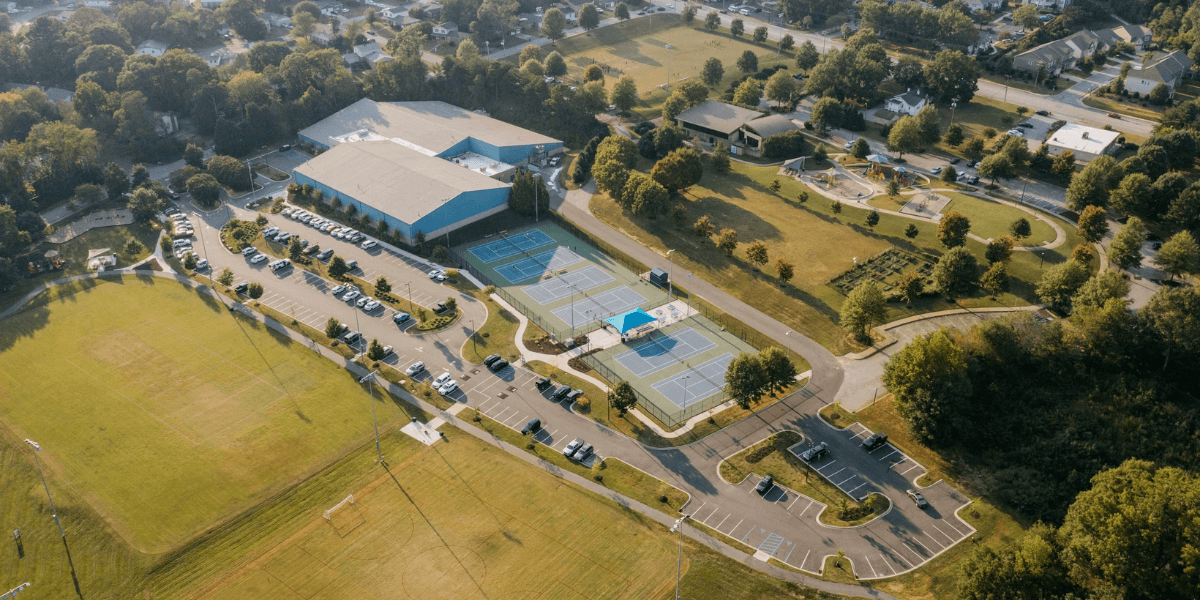
The American fitness and wellness sector saw a significant development on May 13, 2026, as The Sports Facilities Companies (SFC) announced its acquisition of Power Wellness, one of the nation’s largest fitness center management organizations. The move reflects the continued growth of the health and recreation industry in the United States and highlights increasing demand for community-focused wellness services, fitness programs, and medically integrated health initiatives.
Based in Clearwater, Florida, SFC is widely known for managing and developing sports, recreation, aquatics, and wellness facilities across the country. The acquisition of Illinois-based Power Wellness expands the company’s reach into healthcare-linked fitness and community wellness operations. According to the announcement, Power Wellness currently manages 26 facilities across 13 states and serves more than 90,000 members through partnerships with healthcare systems, municipalities, and community organizations.
The timing of the acquisition is notable, arriving during National Physical Fitness and Sports Month in the United States, a nationwide initiative that encourages Americans to adopt healthier lifestyles and increase physical activity. Health and fitness continue to remain major priorities for many Americans, especially men seeking practical ways to improve physical performance, mental health, and long-term wellness.
Industry analysts view the acquisition as another sign that wellness is becoming increasingly integrated into mainstream healthcare and community development. Rather than focusing solely on traditional gyms, many organizations are now building broader wellness ecosystems that combine fitness, recovery, recreation, and preventive health programs under one umbrella.
In its official statement, SFC said the acquisition would strengthen its ability to deliver integrated services for sports venues, fitness centers, golf facilities, recreation spaces, and wellness destinations nationwide. The company also emphasized its goal of helping communities improve quality of life through accessible wellness programming.
Power Wellness has earned recognition over the past three decades for creating medically integrated wellness programs that connect healthcare providers with community fitness resources. These programs often include rehabilitation support, preventive fitness initiatives, and wellness coaching designed to encourage healthier daily habits.
For men increasingly focused on balancing work, health, and lifestyle goals, the expansion of community wellness infrastructure could create broader access to fitness opportunities outside traditional gym memberships. Experts have noted that modern wellness consumers are seeking more flexible environments that combine exercise, recovery, stress management, and social connection.
The broader fitness industry has also continued to evolve rapidly in 2026. Wellness conferences and fitness technology events throughout the year have highlighted rising interest in connected fitness, wearable health tracking, recovery-focused training, and hybrid wellness experiences that combine digital tools with in-person coaching.
Global health organizations have also continued emphasizing the relationship between sports participation and public health outcomes. Health experts frequently highlight the role physical activity plays in improving quality of life, reducing chronic disease risks, and supporting mental well-being across all age groups.
For everyday consumers, developments like the SFC and Power Wellness merger may eventually translate into expanded facility upgrades, more comprehensive fitness programs, and increased availability of wellness-oriented community spaces. This trend is especially relevant as many Americans continue prioritizing preventive health measures and active lifestyles after years of growing awareness surrounding long-term wellness.
The acquisition also reflects the increasing business value of the health and recreation market. SFC stated that its broader network now includes more than 140 venues and approximately 7,000 employees, generating an estimated annual economic impact exceeding $1 billion through sports, wellness, and recreation operations.
Fitness professionals say the continued investment in wellness infrastructure may encourage more men to participate in structured fitness programs, recreational sports, and community-based health initiatives. Many modern facilities now offer more than weight rooms and cardio equipment, incorporating recovery lounges, performance coaching, nutrition guidance, and social fitness programming aimed at long-term lifestyle improvement.
The growing popularity of wellness-centered experiences also aligns with broader consumer trends in men’s lifestyle culture. Interest in functional fitness, outdoor recreation, athletic recovery, and performance optimization has expanded significantly in recent years, influencing everything from apparel and wearable technology to travel and nutrition habits.
As the wellness industry continues evolving, partnerships between fitness operators, healthcare organizations, and recreation companies are expected to play a larger role in shaping how Americans approach personal health. The acquisition announced today positions SFC and Power Wellness to become major players in that expanding landscape.
For readers focused on fitness, performance, and healthier living, the announcement serves as another reminder that wellness is increasingly becoming a central part of modern American lifestyle culture rather than simply a niche industry trend. With more investment flowing into accessible recreation and health-focused community spaces, the future of fitness in the United States appears poised for continued growth and innovation.

Men's Newspaper Contributor
This article features partner, contributor, or branded content from a third party. Members of the Men's Newspaper editorial staff were not involved in the creation of this content. All views and opinions are those of the contributor alone.