
Outdoor Adventure Travel Surges Across the U.S. Ahead of Summer 2026
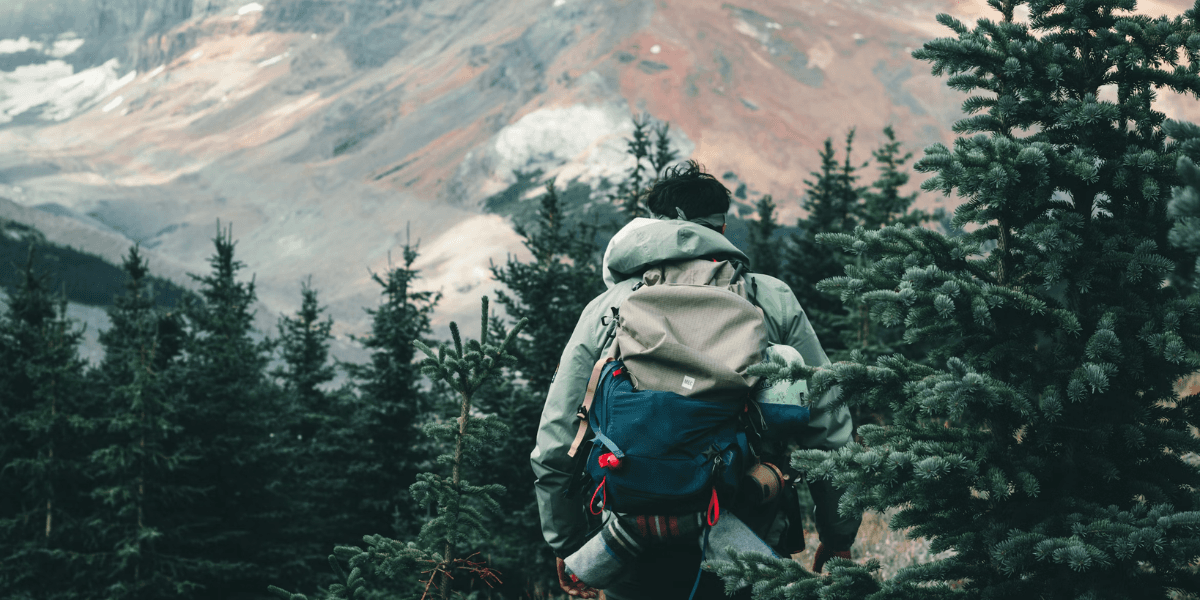
As summer travel season approaches, the United States is experiencing a major rise in outdoor adventure tourism, with national parks, hiking destinations, and outdoor recreation companies reporting increased demand during the first week of May 2026. Industry analysts and travel organizations say the trend reflects a growing interest among Americans in fitness-focused travel, nature experiences, and wellness-oriented recreation.
Recent updates from tourism organizations and state travel agencies on May 6 show that bookings tied to outdoor destinations have climbed significantly compared to the same period last year. Popular locations across states such as Colorado, Utah, Montana, California, and Wyoming are preparing for one of the busiest summer tourism seasons in recent years.
Travel companies specializing in hiking tours, mountain biking, camping gear, and guided adventure experiences have also reported higher consumer engagement. The increase is being driven by travelers seeking active vacations that combine physical activity, mental wellness, and social experiences.
National parks including Yellowstone, Yosemite, Zion, and Rocky Mountain National Park have already announced expanded visitor management plans ahead of the expected summer influx. Officials are encouraging travelers to make reservations early, especially for campsites and guided outdoor activities.
Industry experts note that the outdoor travel surge aligns with broader wellness and lifestyle trends that continue to shape consumer behavior in 2026. Fitness-oriented experiences, including trail running retreats, climbing expeditions, kayaking tours, and wilderness training programs, have become increasingly popular among younger professionals and men seeking alternatives to traditional resort vacations.
Outdoor equipment retailers are also benefiting from the trend. Several sporting goods chains and online outdoor brands reported stronger-than-expected spring sales in categories such as hiking footwear, hydration packs, trail apparel, portable fitness gear, and camping equipment. Analysts say consumers are placing greater value on experiences that support long-term health and active lifestyles.
The growth of adventure tourism is also having a measurable impact on local economies in recreation-heavy regions. Towns near major parks and outdoor destinations are seeing increased hotel occupancy rates, restaurant traffic, and seasonal hiring activity. Tourism boards in western states have launched new campaigns promoting responsible recreation and sustainable tourism practices to help manage larger visitor numbers.
Fitness professionals say the trend reflects changing attitudes toward health and recreation among men in particular. Many travelers are seeking experiences that offer both physical challenge and mental recovery. Outdoor fitness activities such as endurance hiking, cycling tours, and wilderness boot camps are increasingly marketed as ways to reduce stress while improving overall conditioning.
Sports medicine specialists also point to the growing popularity of outdoor recreation as part of a larger movement toward functional fitness. Activities like hiking, climbing, and paddling engage multiple muscle groups while improving cardiovascular endurance and mobility. Experts recommend that new participants prepare gradually before attempting advanced outdoor adventures, especially in high-altitude environments.
At the same time, safety organizations are reminding travelers to prioritize preparation before participating in demanding outdoor activities. Search and rescue teams in several western states have emphasized the importance of hydration, weather awareness, navigation tools, and proper footwear during peak hiking season. Many parks are also expanding educational campaigns related to wildlife safety and heat exposure.
Technology is playing an increasing role in the outdoor travel boom as well. Mobile fitness tracking apps, satellite communication devices, and AI-powered travel planning platforms are helping travelers customize hiking routes, monitor performance metrics, and access real-time weather conditions. Several outdoor brands introduced upgraded wearable technology products this week aimed at hikers and endurance athletes preparing for summer trips.
The rise in outdoor recreation is also influencing men’s fashion and lifestyle markets. Performance apparel companies continue expanding collections focused on lightweight fabrics, trail-ready footwear, and hybrid clothing designed for both urban and outdoor environments. Analysts say consumers are increasingly interested in versatile products that support travel, exercise, and daily wear.
Meanwhile, travel advisors are encouraging consumers to plan early due to rising demand. Flight bookings to outdoor tourism hubs in states such as Colorado and Montana have already increased compared to spring 2025 levels, according to airline industry data released this week. Rental vehicle availability in major gateway cities is also becoming more limited as summer reservations increase.
Environmental organizations have welcomed the increased interest in outdoor recreation while also encouraging sustainable practices. Conservation groups are asking visitors to follow Leave No Trace principles, respect wildlife habitats, and support preservation efforts in heavily visited natural areas.
The strong momentum surrounding outdoor adventure travel highlights how fitness, wellness, and recreation continue to shape modern lifestyle trends in the United States. For many travelers, summer 2026 is becoming less about traditional tourism and more about experiences that promote health, endurance, and connection with nature.
As the season begins, experts expect outdoor recreation to remain one of the defining lifestyle and travel trends of the year, particularly among consumers seeking active experiences that combine adventure, wellness, and personal growth.

Men's Newspaper Contributor
This article features partner, contributor, or branded content from a third party. Members of the Men's Newspaper editorial staff were not involved in the creation of this content. All views and opinions are those of the contributor alone.
You May Also Like