NCAA Men’s Basketball Championship Draws National Attention as 2026 Tournament Concludes
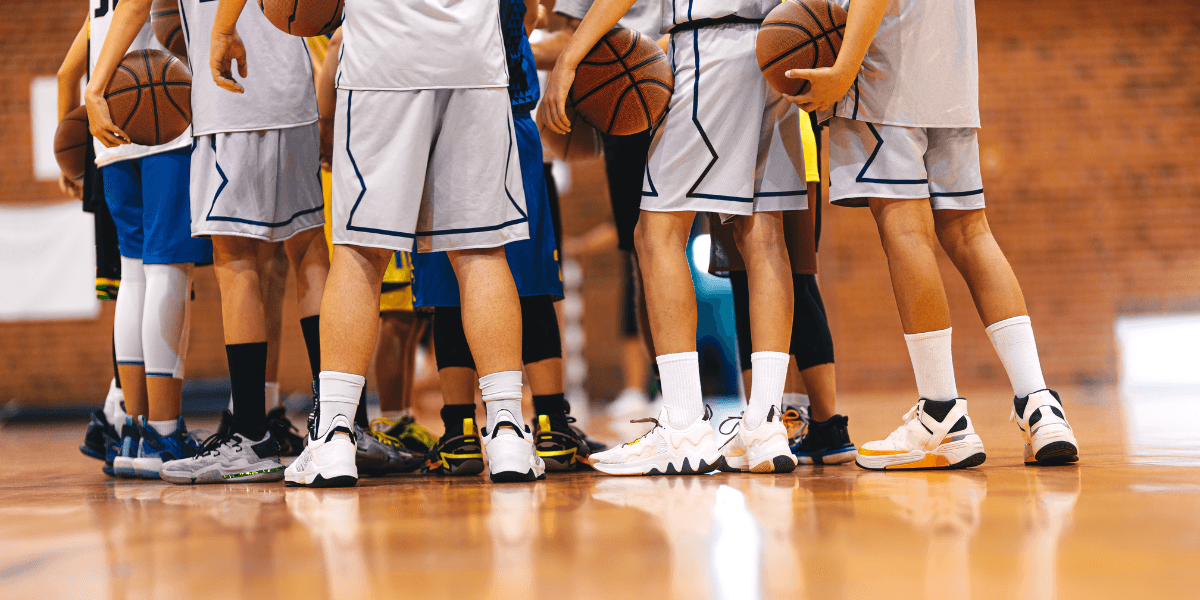
On April 5, 2026, the NCAA Division I Men’s Basketball Championship reached its highly anticipated conclusion, capping off weeks of intense competition and reaffirming its status as one of the most widely followed sporting events in the United States. Held in front of a packed arena and broadcast to millions of viewers nationwide, the championship game delivered a compelling mix of athleticism, strategy, and resilience that resonated strongly with fans and analysts alike.
The annual tournament began in March with 68 teams competing in a single-elimination format widely known as “March Madness.” Over multiple rounds, top-ranked programs and underdog teams battled through high-pressure matchups, producing dramatic finishes and memorable performances. By the time the championship game arrived, only two elite teams remained, each having demonstrated consistency, adaptability, and determination throughout the tournament.
This year’s title game featured a fast-paced and highly competitive matchup that reflected the evolving nature of college basketball. Both teams displayed disciplined defensive structures, efficient three-point shooting, and strong ball movement. Analysts observed that the quality of play highlighted broader trends in the sport, particularly the growing emphasis on perimeter shooting and multi-position versatility among players.
Individual performances played a significant role in shaping the outcome of the game. Key athletes stepped up under pressure, delivering crucial scoring runs and defensive stops at pivotal moments. Leadership on the court proved equally important, as experienced players guided their teammates through high-stakes situations. Coaches also contributed heavily to the game’s intensity, making timely adjustments and strategic decisions that influenced momentum on both sides.
Beyond the competition itself, the championship once again demonstrated the widespread appeal and economic significance of college basketball. Millions of viewers tuned in across television and digital platforms, maintaining strong ratings and engagement throughout the tournament. The event continues to attract major advertisers and sponsors, underscoring its role as a key fixture in the U.S. sports calendar.
The tournament also serves as an important stepping stone for athletes aspiring to play professionally. Many participants use the national stage to showcase their abilities to scouts and team executives, with standout performances often improving a player’s prospects for entering professional leagues. For many young athletes, success in the tournament represents both a personal milestone and a potential career opportunity.
From a fitness and performance perspective, the championship highlights the importance of preparation, conditioning, and mental focus. Players competing at this level undergo rigorous training regimens that emphasize strength, endurance, agility, and recovery. Their ability to maintain peak performance throughout the tournament reflects months of disciplined preparation and attention to detail.
The cultural impact of the championship is equally significant. Fans across the country gather to watch games together, whether at home, in public venues, or through organized viewing events. This shared experience fosters a sense of community and excitement, making the tournament more than just a sporting event. It becomes a nationwide celebration of competition, teamwork, and school pride.
Several key takeaways emerged from the 2026 championship. Teams that advanced deep into the tournament demonstrated not only technical skill but also resilience and adaptability. The ability to adjust strategies, maintain composure under pressure, and execute consistently proved to be decisive factors in success. These qualities are not only relevant in sports but also applicable to broader aspects of personal and professional development.
For readers interested in sports, fitness, and performance, the championship offers valuable lessons. The discipline and teamwork displayed by athletes serve as reminders of what can be achieved through consistent effort and focus. Whether applied in athletic pursuits or everyday challenges, these principles remain universally relevant.
As the 2026 tournament concludes, attention now turns to the future. Teams will begin preparations for the next season, focusing on recruitment, player development, and strategic improvements. The lessons learned from this year’s competition will shape training programs and game plans moving forward, ensuring that the next tournament continues to deliver the excitement and excellence that fans have come to expect.

Men's Newspaper Contributor
This article features partner, contributor, or branded content from a third party. Members of the Men's Newspaper editorial staff were not involved in the creation of this content. All views and opinions are those of the contributor alone.
You May Also Like