Men’s Grooming and Wellness Market Continues Rapid Growth as Lifestyle Trends Shift in 2026
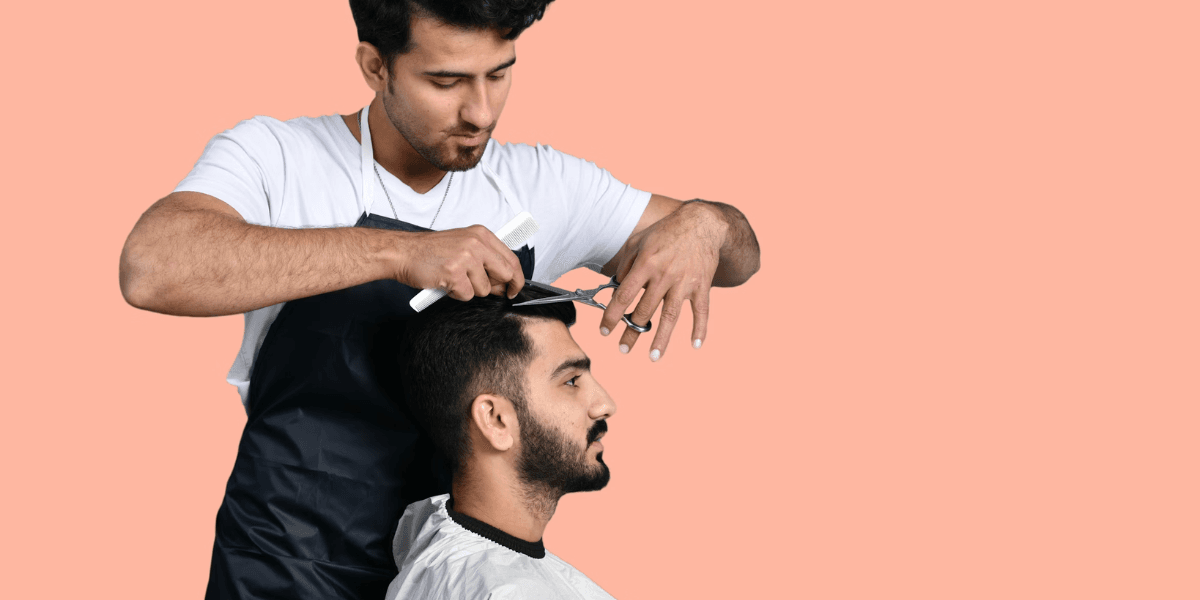
The men’s lifestyle and grooming industry continued its strong expansion across the United States on May 9, 2026, as consumer demand for wellness products, fitness-focused fashion, skincare, and performance-driven apparel remains one of the fastest-growing areas in retail and lifestyle media.
Industry analysts and retail organizations have reported that men are increasingly investing in products and services tied to health, self-care, fitness, and everyday style. The shift reflects changing consumer habits, particularly among younger professionals and active consumers seeking practical products that combine performance, convenience, and modern design.
The men’s skincare segment has emerged as one of the strongest performers in the personal care market. Companies across the grooming industry are expanding product lines that focus on hydration, sun protection, anti-aging support, and simplified skincare routines designed specifically for male consumers.
Major brands are also increasing investment in multifunctional grooming products aimed at men who prefer efficient daily routines. Market researchers have noted that minimalist skincare and wellness-focused grooming products continue gaining traction among consumers balancing busy work schedules and active lifestyles.
Fitness culture is playing a major role in these broader lifestyle trends. Athletic-inspired fashion, recovery technology, and wearable fitness products are increasingly influencing mainstream style categories. Retailers have reported sustained growth in demand for performance sneakers, technical outerwear, smart fitness watches, and gym-to-office apparel that blends comfort with professional appearance.
The popularity of hybrid work environments has also changed how men approach fashion and shopping. Many consumers are prioritizing versatile clothing that works for commuting, travel, workouts, and casual business settings. Fashion analysts say neutral colors, lightweight fabrics, and functional designs remain dominant trends in 2026.
In addition to apparel, the wellness technology market continues expanding rapidly. Fitness trackers, sleep-monitoring devices, and recovery-focused products are now widely integrated into everyday routines for consumers interested in long-term health management. Companies within the wearable technology sector have continued launching products focused on heart-rate tracking, sleep quality, hydration monitoring, and workout recovery.
Nutrition and wellness habits are also evolving alongside these trends. Health professionals continue encouraging balanced diets, physical activity, sleep consistency, and stress management as key components of long-term wellness. Men’s health publications and wellness platforms have increasingly emphasized sustainable habits rather than short-term fitness trends.
Outdoor recreation has also become more closely connected to lifestyle and shopping behavior. Hiking, cycling, recreational sports, and travel-focused fitness activities continue influencing demand for durable outdoor apparel and adventure-ready accessories. Retailers specializing in active lifestyle products have expanded offerings aimed at consumers seeking both performance and everyday practicality.
Meanwhile, sports culture remains a major influence on men’s fashion and purchasing decisions. Partnerships between athletic brands, professional athletes, and lifestyle companies continue shaping footwear trends and casual fashion collections across the market. Industry experts note that sports-inspired fashion remains one of the most commercially successful categories within men’s apparel.
E-commerce platforms and digital marketing have further accelerated changes in consumer behavior. Brands are increasingly using online content, product reviews, fitness partnerships, and wellness-focused campaigns to connect with younger audiences. Analysts say consumers are placing greater value on product transparency, quality, and long-term usefulness when making purchasing decisions.
Experts also point to a growing emphasis on mental wellness and work-life balance among male consumers. Many lifestyle brands are incorporating messaging around recovery, mindfulness, sleep health, and stress management into broader wellness campaigns. The shift reflects broader cultural conversations surrounding sustainable health and productivity.
Retail forecasts for the remainder of 2026 suggest continued momentum in categories tied to fitness, grooming, wellness, and functional fashion. Industry leaders expect demand to remain strong as consumers continue prioritizing health-conscious lifestyles and experience-driven spending habits.
For modern men navigating increasingly busy schedules and evolving workplace expectations, the growing focus on practical wellness and adaptable style reflects a larger shift in consumer priorities. From performance apparel and grooming products to wearable technology and outdoor recreation gear, lifestyle choices are becoming more closely tied to overall well-being and personal efficiency.
As brands continue innovating across fitness, wellness, and fashion categories, the men’s lifestyle market is expected to remain one of the most influential sectors shaping retail and consumer culture throughout 2026.

Men's Newspaper Contributor
This article features partner, contributor, or branded content from a third party. Members of the Men's Newspaper editorial staff were not involved in the creation of this content. All views and opinions are those of the contributor alone.