
U.S. Measles Cases Reach 5,412 in 2026 as CDC Reports Widespread Outbreak Activity
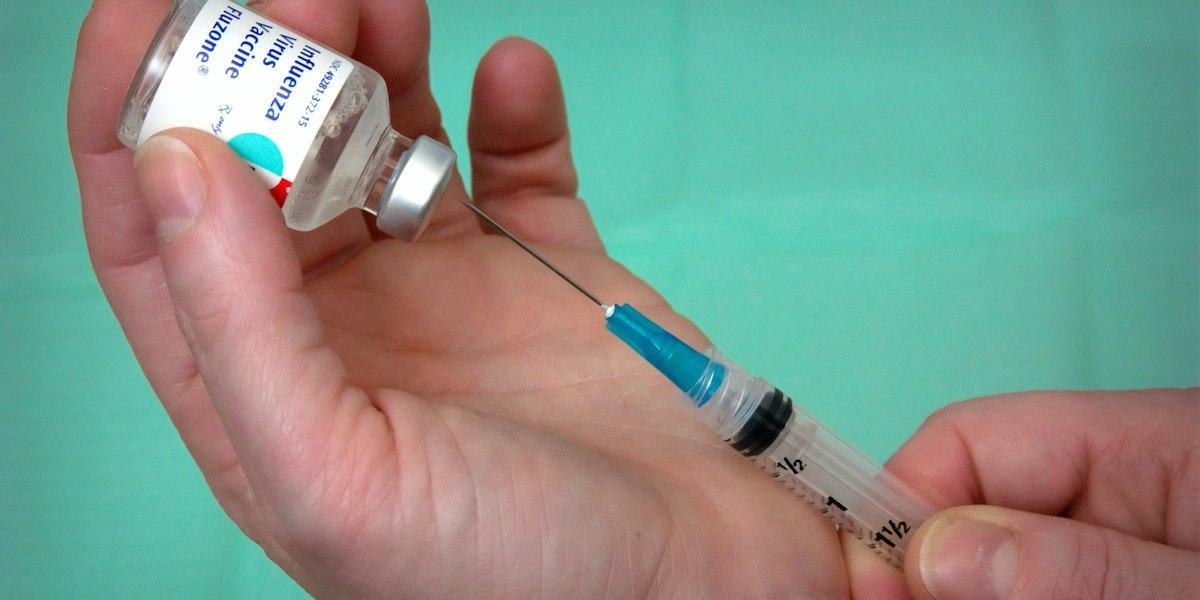
The CDC reports more than 5,400 confirmed measles cases nationwide, highlighting renewed public-health concerns.
The United States recorded 5,412 confirmed measles cases during 2026 as of November 12, according to updated figures published by the Centers for Disease Control and Prevention on November 13.
The latest national figures demonstrate the scale of the disease's resurgence and highlight continuing public-health challenges involving vaccination coverage, outbreak monitoring and access to preventive healthcare.
The cases were reported across 47 jurisdictions, including states and major metropolitan areas.
The CDC's updated information reflects confirmed cases reported to the agency and provides a snapshot of the national situation rather than a final total for the year.
The increase has renewed attention on measles, a highly contagious viral disease that was declared eliminated from continuous transmission in the United States in 2000.
A Significant Increase in Confirmed Cases
The CDC reported 5,412 confirmed measles cases in the United States for 2026 as of the November 12 reporting cutoff.
The agency's figures included 5,394 cases reported by 47 jurisdictions, with additional cases reflected in the national total.
The geographic distribution indicates that the outbreak activity is not limited to one state or metropolitan area.
Cases have been reported across a wide range of jurisdictions, including California, Texas, New York, Florida, Pennsylvania and other parts of the country.
The spread across different regions makes public-health monitoring particularly important because infections can move between communities through travel and contact networks.
The figures also demonstrate why health authorities rely on reporting systems that combine information from state and local public-health departments.
Understanding Measles Transmission
Measles is a highly contagious viral disease that spreads through the air when an infected person breathes, coughs or sneezes.
The virus can remain in the air for a period after an infected individual leaves an enclosed space.
People without immunity can therefore be exposed even without direct physical contact with an infected person.
The disease commonly begins with fever, cough, runny nose and red or watery eyes.
A characteristic rash generally develops several days after the initial symptoms.
Although many patients recover, measles can cause serious complications.
These may include pneumonia, dehydration, brain inflammation and other medical problems.
Young children and people with weakened immune systems can face increased risks of severe illness.
The Significance of the United States' Elimination Status
The United States declared measles eliminated in 2000.
That designation did not mean the disease had disappeared worldwide.
Instead, it indicated that continuous transmission had been interrupted within the country for a sustained period.
Imported infections could still produce temporary outbreaks, but public-health systems were generally able to contain them before they became continuous nationwide transmission.
The current increase in confirmed cases has raised concerns about whether that status can be maintained.
The CDC and international public-health organizations examine the duration and continuity of transmission when evaluating elimination status.
A high number of cases alone does not automatically establish that elimination has been lost.
The determination depends on epidemiological evidence and whether transmission chains have continued over the required period.
Vaccination Remains Central to Prevention
The measles, mumps and rubella vaccine remains the primary preventive measure against measles.
The vaccine is widely used as part of routine childhood immunization programs.
High vaccination coverage helps reduce the likelihood that the virus will spread rapidly through communities.
It also provides protection for people who cannot receive certain vaccines because of medical circumstances.
When vaccination coverage declines, communities can become more vulnerable to outbreaks.
The relationship between vaccination and community protection is especially important for highly contagious diseases such as measles.
Public-health authorities continue to emphasize accurate information about immunization and the importance of maintaining access to routine preventive healthcare.
Why Outbreak Monitoring Matters
Tracking confirmed cases allows health authorities to identify where infections are occurring and determine whether additional public-health measures are necessary.
State and local agencies investigate reported infections, identify potential exposure locations and coordinate communication with affected communities.
The CDC also publishes national information to help health professionals and public institutions understand the broader distribution of cases.
These reporting systems are important because measles can spread before an infected person is aware of the disease.
Early identification of cases can help public-health teams respond to potential exposure events.
The November update provides a clearer picture of the national situation as the year approaches its final weeks.
The Importance of Community Awareness
The rise in confirmed cases has implications for families, schools, healthcare facilities and workplaces.
Schools and childcare environments require particular attention because children often spend extended periods together indoors.
Healthcare facilities also need procedures for identifying potential measles cases and reducing exposure among patients and staff.
Community awareness is important because symptoms can initially resemble those of other common respiratory illnesses.
Reliable public-health information helps people understand the disease and the importance of established prevention measures.
A Continuing Public-Health Challenge
The CDC's November 13 figures demonstrate the scale of measles activity in the United States during 2026.
With more than 5,400 confirmed cases reported by the November 12 cutoff, the country continues to face a substantial challenge involving outbreak prevention and disease control.
The figures also emphasize the importance of vaccination programs, surveillance and coordination among public-health agencies.
The national response depends on identifying cases, understanding transmission patterns and maintaining access to preventive healthcare.
As the year continues, the CDC's reporting system will remain an important source of information for monitoring the disease's spread and evaluating the country's public-health response.

Men's Newspaper Contributor
This article features partner, contributor, or branded content from a third party. Members of the Men's Newspaper editorial staff were not involved in the creation of this content. All views and opinions are those of the contributor alone.
You May Also Like