
College Football Playoff Expands to 24 Teams in Major Change to National Championship Format
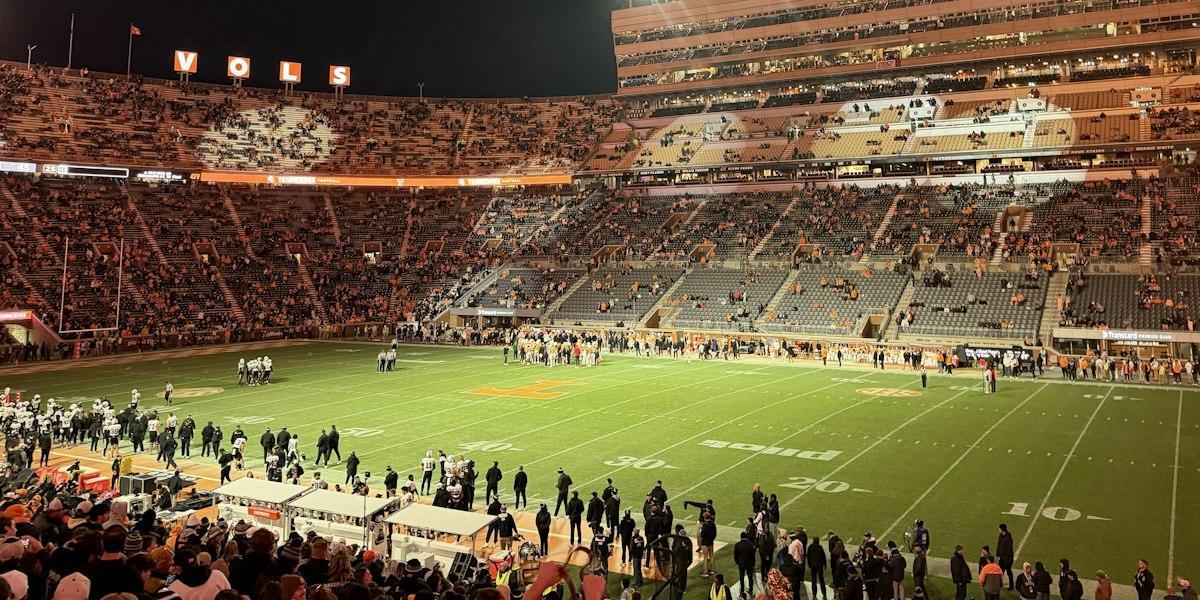
The College Football Playoff approves a 24-team format beginning in 2027, adding more campus-hosted postseason games.
The College Football Playoff Management Committee has unanimously approved an expansion of the national championship competition from 12 to 24 teams, introducing one of the most significant structural changes in the sport's postseason history.
The expanded format will begin with the 2027-28 college football season and will increase the number of participating programs while introducing additional opportunities for teams to host postseason games on their home campuses.
The announcement also included a new media rights agreement with ESPN, which will remain the exclusive worldwide broadcaster of the expanded competition through the 2031-32 season, subject to specified sublicensing arrangements.
The decision changes the structure of college football's most important championship competition and has implications for participating universities, student-athletes, coaches and fans.
A Larger Field for National Championship Contention
Under the approved structure, the playoff will include 24 teams.
Four automatic positions will be reserved for the conference champions from the Atlantic Coast Conference, Big Ten, Big 12 and Southeastern Conference.
Another automatic position will go to the highest-ranked team from the American, Conference USA, Mid-American Conference, Mountain West, Pac-12 or Sun Belt.
The remaining 19 positions will be awarded to the highest-ranked teams not already included through those automatic qualifications.
The format is designed to create a larger postseason field while maintaining representation from the major conferences and providing an opportunity for programs outside those leagues.
The expanded field will increase the number of teams competing for the national championship and change how programs approach the postseason qualification process.
More Games on College Campuses
One of the most notable changes involves the number of postseason games played at university stadiums.
Under the expanded format, 16 of the 23 playoff games will take place on campus, compared with four under the existing 12-team structure.
The eight highest-ranked teams will receive first-round byes and will host second-round games on their respective campuses.
Teams ranked ninth through 16th will host first-round games against opponents ranked 17th through 24th.
This arrangement creates a more substantial role for university stadiums and local communities during the postseason.
Home-campus games can provide participating schools with an opportunity to host major national sporting events while giving supporters the experience of watching playoff competition in familiar surroundings.
The format also creates additional logistical responsibilities involving stadium operations, travel, security and event organization.
The Structure of the Expanded Playoff
The expanded competition will consist of 23 games.
The first and second rounds will be played during the Thursday-through-Saturday periods of their respective weekends.
The top eight seeds will receive byes before entering the second round.
Quarterfinals and semifinals will continue to be held at the six existing bowl partner locations.
These include the Cotton Bowl, Fiesta Bowl, Orange Bowl, Peach Bowl, Rose Bowl and Sugar Bowl.
The national championship will continue to operate as a separate major event.
The first championship game under the expanded 24-team format is scheduled for January 24, 2028, in New Orleans.
Las Vegas is scheduled to host the 2027 championship under the existing 12-team format.
Tampa Bay is scheduled to host the 2029 championship.
Changes to Regular-Season Scheduling
The expansion also introduces scheduling standards intended to encourage more compelling nonconference matchups.
Institutions in the four major conferences will be expected to play at least 10 qualifying regular-season games involving conference opponents, other major-conference opponents and Notre Dame.
The scheduling requirements are intended to strengthen the competitive structure of the regular season.
The expanded postseason also changes the calendar for participating teams.
Beginning with the 2027-28 season, the regular season will include two open weeks.
The final regular-season games are scheduled for November 27, 2027, while the expanded playoff is expected to begin during the first full week of December.
The top eight seeds will have two open weeks before playing their first game.
The Heisman Trophy Weekend will also move one week earlier, with the 2027 event scheduled for December 3 through 5.
ESPN Retains Exclusive Media Rights
The College Football Playoff also confirmed a new agreement with ESPN covering the expanded competition through the 2031-32 season.
ESPN will have exclusive worldwide rights to the 23 games, with the ability to sublicense selected games under the agreement.
The arrangement includes continued coverage of associated programming, including the selection show and weekly playoff rankings broadcasts.
The agreement reinforces the relationship between college football's championship structure and its national television distribution.
Financial terms were not disclosed in the announcement.
What the Expansion Means for College Football
The larger playoff field changes the competitive opportunities available to universities and creates a more extensive postseason schedule.
Additional participating teams could mean more schools, student-athletes and communities experiencing playoff competition.
The increase in campus-hosted games also gives universities a larger role in staging postseason events.
At the same time, the new format creates questions involving scheduling, player workload, travel requirements and the management of an expanded championship calendar.
The College Football Playoff's decision represents a major change in how the sport determines its national champion.
Beginning in the 2027-28 season, 24 teams will compete in a 23-game postseason structure that combines campus-hosted matchups with the traditional bowl venues.
The development marks a new phase in the evolution of college football, with broader participation and a substantially expanded championship competition.

Men's Newspaper Contributor
This article features partner, contributor, or branded content from a third party. Members of the Men's Newspaper editorial staff were not involved in the creation of this content. All views and opinions are those of the contributor alone.
You May Also Like