
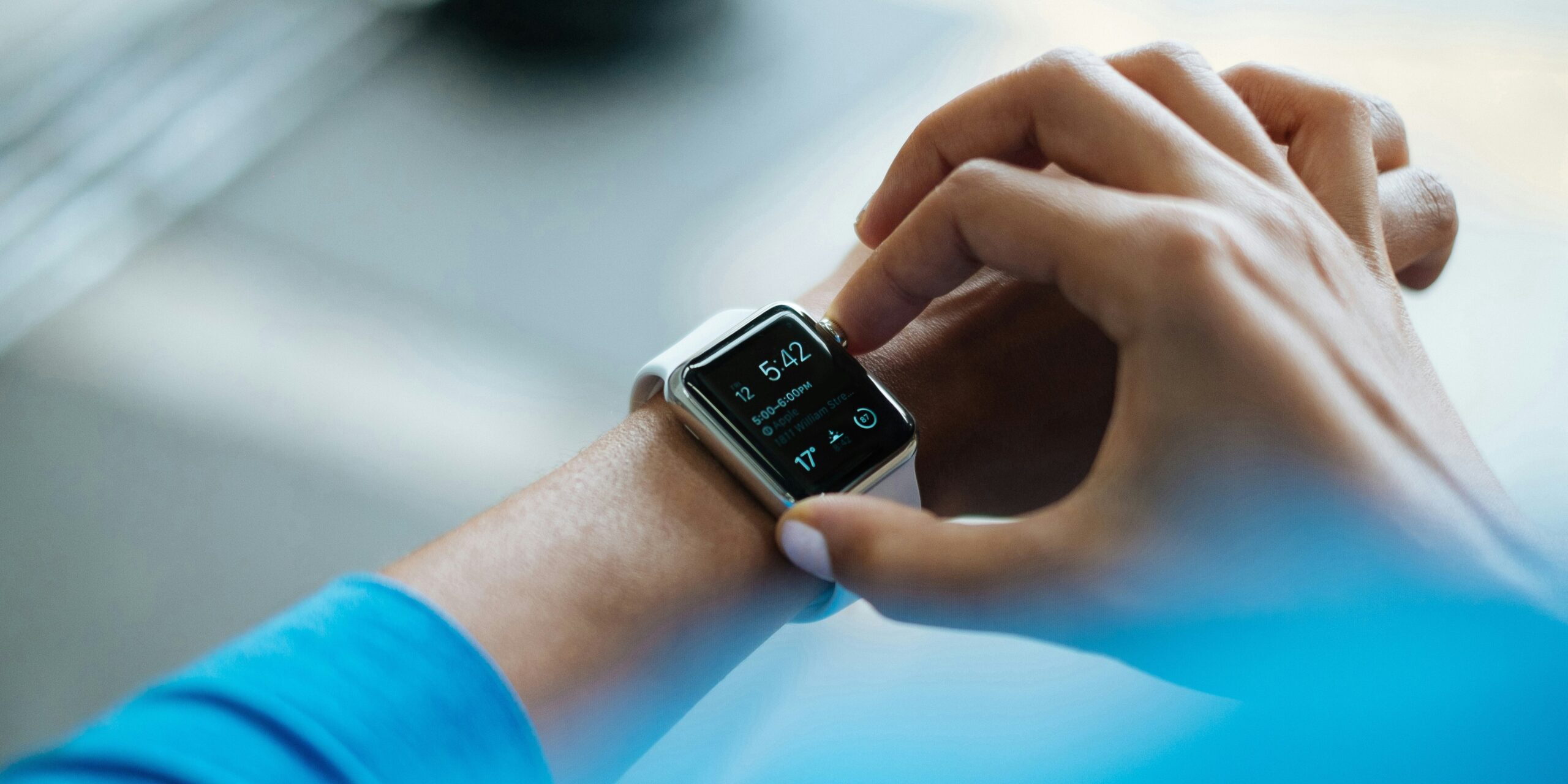
Fitness experts across the United States have pinpointed wearable technology and functional strength training as two of the most significant trends for exercise enthusiasts in 2026. The American College of Sports Medicine (ACSM) recently released its annual fitness trends forecast, which gathers input from thousands of clinicians, researchers, and fitness professionals. According to the forecast, wearable devices that track key health metrics, including heart rate, glucose levels, blood pressure, and other important variables, are at the forefront of fitness innovation. These devices have become essential tools for Americans looking to monitor their activity and performance in real time, offering users valuable data that informs their exercise routines and overall health goals.
The increasing popularity of wearable technology reflects a broader shift toward data-driven fitness. As these devices become more sophisticated, they provide users with a wealth of information not only about their workouts but also about their overall health. From tracking calories burned and steps taken to offering deeper insights into recovery and stress levels, wearables are helping individuals make more informed decisions about their fitness routines. This rise in technology-driven fitness allows users to tailor their exercise plans based on data, optimizing their approach to physical activity for better results and overall well-being. With devices now able to monitor everything from heart rate variability to sleep quality, people can get a more comprehensive view of their health than ever before.
Alongside the technological boom, there has been a growing emphasis on core stability, balance, and functional strength in exercise programs. These routines, designed to improve a person’s ability to perform everyday tasks like lifting groceries, carrying heavy objects, or going on long hikes, have been gaining traction among a diverse range of adults. Functional strength training focuses on strengthening muscles that are essential for daily life, helping individuals maintain mobility, flexibility, and physical independence as they age. In a world where many people are looking to stay active and healthy well into their later years, functional fitness offers a practical solution to staying strong and injury-free.
What makes these functional training programs especially appealing is their versatility. Whether through yoga, Pilates, or weight training exercises, core stability and balance are integral components of many workouts. These exercises are not just about building muscles; they focus on improving the body’s ability to move efficiently and effectively, which has real-world applications. As people of all ages seek ways to enhance their functional capacity, these types of exercises are becoming a key element in many fitness plans. They contribute to better posture, help prevent injuries, and improve the body’s resilience, making them particularly beneficial for adults looking to maintain a high level of activity as they age.
Another growing trend in the fitness world is the increasing demand for mobile exercise apps and personalized training plans. These platforms give users the ability to tailor their workouts to their specific goals, whether they are looking to improve their strength, cardiovascular health, flexibility, or overall fitness. Personalized training has become a central aspect of modern fitness, as people seek programs that cater to their unique needs, schedules, and preferences. Mobile apps allow users to track their progress, set goals, and receive recommendations for exercises that are aligned with their objectives. The convenience and accessibility of these apps have made them an attractive option for those with busy lifestyles, providing a flexible alternative to traditional gym-based fitness routines.
The trend toward wearable tech and functional fitness reflects a larger shift in how Americans approach their health and well-being. Whereas traditional fitness trends often focused on aesthetics and weight loss, today’s fitness culture emphasizes long-term health, performance, and overall wellness. More people are recognizing the value of fitness that supports not just short-term goals but also long-term vitality and physical function. This holistic approach to fitness has led to a growing interest in exercises that improve daily performance, such as functional strength training, and tools that help individuals monitor and optimize their health, such as wearable technology.
As 2026 progresses, it’s clear that these trends will continue to shape the fitness industry. The integration of technology with physical training is expected to deepen, with wearables offering even more advanced features for monitoring and enhancing health. At the same time, the focus on functional, core-based strength routines will remain a central part of many people’s fitness regimens. Together, wearable tech and functional fitness represent a forward-thinking approach to personal health, one that prioritizes data, performance, and long-term well-being. With these trends continuing to gain momentum, the landscape of fitness in 2026 and beyond is set to be more personalized, data-driven, and focused on improving the overall quality of life.
Read Also: https://mensnewspaper.com/ai-powered-fitness-wearables-take-center-stage-at-ces-2026/