
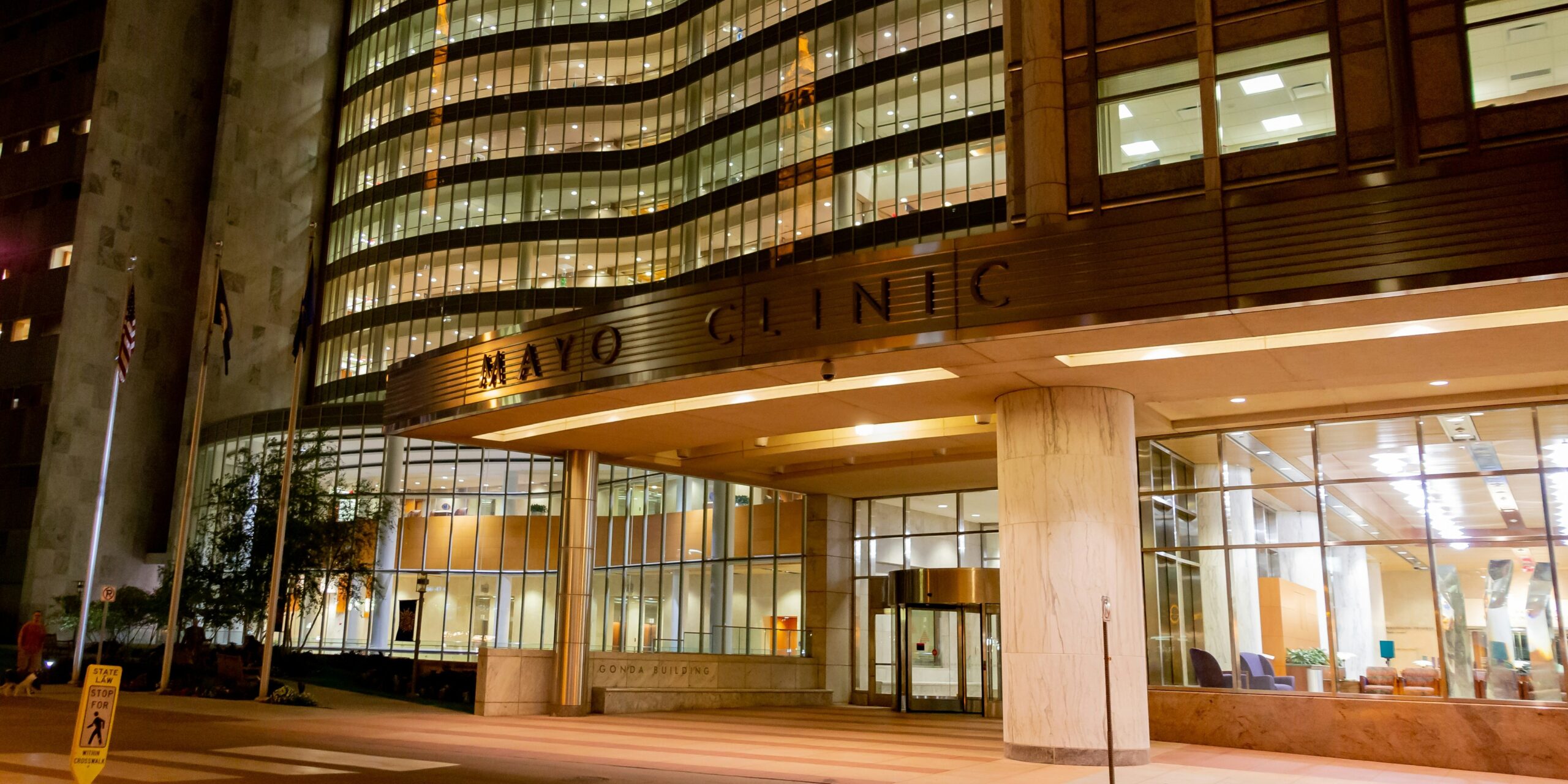
On December 29, 2025, the Mayo Clinic News Network spotlighted a major advancement in how complex and rare cancers are being treated, highlighting the impact of integrated care models that are reshaping the cancer care landscape in the United States. The announcement marked a significant step forward in the evolution of cancer treatment, particularly for patients facing rare or advanced-stage cancers that require a multifaceted, highly coordinated medical response.
At the heart of this development is a growing emphasis on multidisciplinary collaboration, where teams of surgeons, oncologists, radiologists, geneticists, anesthesiologists, and care coordinators work together from the earliest stages of diagnosis through treatment and follow-up. This integrated model of care seeks to minimize fragmentation, streamline decision-making, and enhance patient outcomes by ensuring that every element of a patient’s treatment plan is carefully synchronized across specialties.
One of the most compelling illustrations of this approach was the case of a patient with an exceptionally rare form of cancer that had spread to both the heart and airway. Instead of staging separate surgeries and consultations, Mayo Clinic assembled a multidisciplinary surgical team to perform a complex, single-operation procedure that involved advanced cardiac surgery alongside intricate airway reconstruction. The successful outcome of the case was credited to the seamless teamwork between departments, which not only improved the clinical results but also significantly reduced recovery time and patient stress.
This kind of complex, choreographed care is increasingly possible thanks to Mayo Clinic’s investment in infrastructure that supports integrated treatment. Genetic testing and advanced molecular diagnostics now play a central role in the early stages of the care pathway. By rapidly identifying the genetic markers and specific characteristics of a tumor, physicians can tailor therapies to the individual needs of the patient, avoiding the one-size-fits-all approach that often fails with rare or resistant cancers. These tools allow for faster, more accurate diagnoses and guide more effective use of chemotherapy, radiation, and surgical intervention.
Advanced imaging coordination is another cornerstone of Mayo Clinic’s integrated approach. Rather than sending patients through a fragmented process of separate imaging appointments and delayed reviews, care teams now work in real time to assess scans, collaborate on interpretations, and make immediate decisions about the next steps. This not only shortens hospital stays but also reduces patient anxiety and eliminates the redundancy that often plagues traditional care models.
Beyond technological integration, the emphasis on patient-centered care is evident in every step of Mayo Clinic’s methodology. Patients benefit from having a single, cohesive team managing their treatment, which simplifies communication and fosters a sense of support. The clinic has also made strides in pain management, nutritional guidance, mental health support, and post-treatment rehabilitation, ensuring that the holistic needs of each patient are addressed.
This model of care is especially critical as the United States health care system grapples with how to deliver high-quality, technologically advanced treatment to a growing population of cancer patients, many of whom present with increasingly complex diagnoses. Mayo Clinic’s approach serves as a blueprint for institutions across the country, demonstrating how the fusion of advanced science and compassionate, coordinated care can drive better health outcomes while maintaining a focus on quality of life.
These advancements are further supported by Mayo’s Comprehensive Cancer Center, a nationally recognized hub for clinical research and innovation. The center handles more than 130,000 patient visits annually and offers access to cutting-edge clinical trials, precision medicine initiatives, and novel therapeutic protocols. Its designation by the National Cancer Institute underscores the clinic’s leadership in both research and care delivery.
Moreover, Mayo Clinic’s push toward integrated care aligns with broader trends in individualized medicine. By combining genomic data, AI-driven diagnostic tools, and personalized treatment algorithms, physicians are increasingly able to offer care that is not only more effective but also more targeted, minimizing unnecessary interventions and improving long-term survival rates. These developments hold particular promise for rare cancer patients, who often lack standard treatment pathways and benefit greatly from customized approaches.
As cancer remains a leading cause of death in the United States and around the world, innovations like those being implemented at Mayo Clinic represent a critical shift in how care is conceived and delivered. The success of these integrated strategies in 2025 is likely to influence how hospitals and health systems nationwide structure their cancer care in the years ahead.
Mayo Clinic’s December 29 announcement signals a clear message: the future of oncology lies in collaboration, data-informed decision-making, and the seamless blending of science and compassion. By continuing to build on this foundation, institutions can bring hope and healing to patients navigating some of the most challenging diagnoses of their lives.