
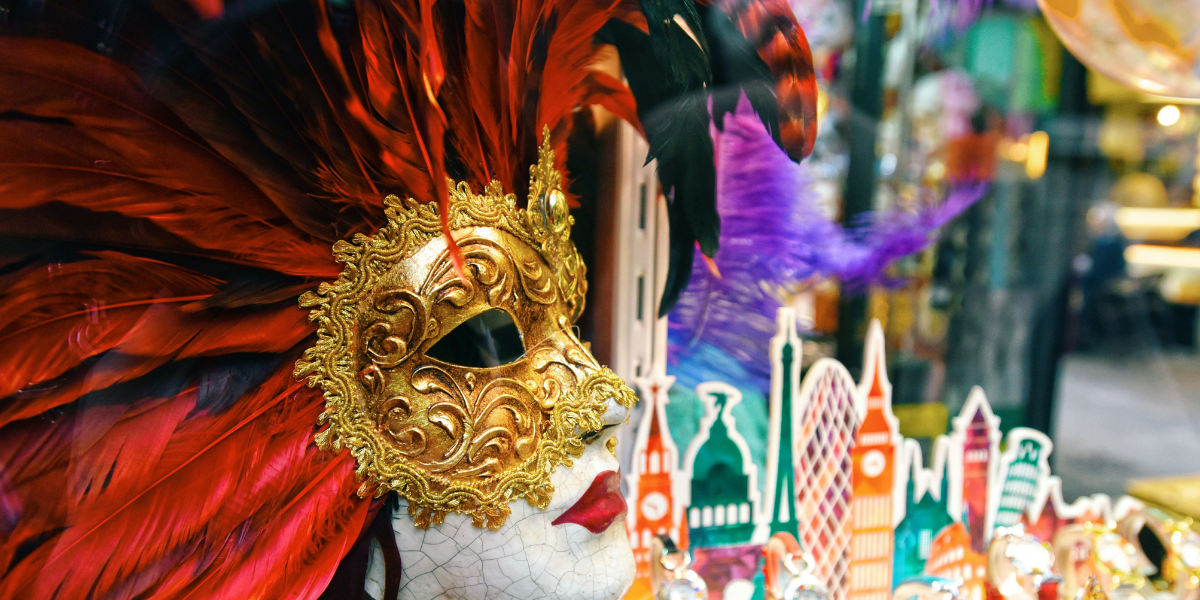
On Tuesday, February 17, 2026, New Orleans, Louisiana, hosted its annual Mardi Gras celebration, one of the most iconic cultural festivals in the United States. Known worldwide for its exuberant parades, vibrant atmosphere, and deep‑rooted traditions, Mardi Gras, also called Fat Tuesday, serves as the culmination of the Carnival season and the final day of feasting before the start of the Christian observance of Lent.
For many Americans, particularly those interested in travel, festival culture, and lifestyle experiences, Mardi Gras offers an immersive mix of music, food, social tradition, and athletic spectacle, from marching bands and community krewe floats to second‑line parades and street performance competitions.
The Celebratory Experience
In New Orleans on February 17, revelers lined historic streets such as St. Charles Avenue and Canal Street, often hours before parades began, to secure optimal views of the elaborately decorated floats and costumed performers. The atmosphere was electric: crowds in green, gold, and purple, the traditional Mardi Gras colors, cheered as throws were distributed to bystanders, ranging from bead necklaces to the cherished Zulu coconuts.
Authentic Mardi Gras throws aren’t just trinkets, they are part of a community ritual that dates back decades. The prized hand‑decorated coconuts thrown by the Zulu Social Aid & Pleasure Club, for example, can become keepsakes and collector’s items, illustrating how deeply embedded Mardi Gras is in New Orleans culture.
Why Mardi Gras Matters to a Broader Audience
Though historically rooted in Catholic tradition, Mardi Gras today transcends religious affiliation and resonates with a wide range of people interested in culture, travel, sports, and lifestyle events:
- Social and Community Identity: Many New Orleans neighborhoods are anchored by local “krewes”, organizations that host, sponsor, and perform in parades. These groups build camaraderie and foster social networks that extend year‑round, not just during Carnival season.
- Cultural Tourism: For visitors throughout the U.S. and abroad, Mardi Gras is a sought‑after travel experience. The festival draws crowds keen on music, cuisine, and community celebration, contributing significantly to the local economy and cultural tourism sector.
- Lifestyle and Entertainment: From jazz parades to daytime parties and night‑time social gatherings in the French Quarter, Mardi Gras intersects with broader lifestyle interests, including food culture, live music, performance art, and nightlife.
Celebration Meets Natural Phenomena
Adding to the unique atmosphere of February 17, 2026, many residents and visitors across northern U.S. states were also anticipating the northern lights (aurora borealis) on the same night, thanks to enhanced geomagnetic activity. Observers in states such as Montana, Minnesota, and Maine were advised to watch the skies between 10 p.m. and 2 a.m. for optimal viewing conditions, an unexpected scientific spectacle that complemented the cultural celebration.
Even outside the U.S., the same date featured an annular solar eclipse, the so‑called “ring of fire”, over remote parts of Antarctica, a reminder that February 17 was significant both culturally and astronomically.
Key Takeaways for Men’s Lifestyle & Culture Enthusiasts
- Cultural Immersion: Mardi Gras remains one of the most dynamic and participatory cultural events in the United States, blending music, community, and celebration in ways that appeal to festival‑goers and lifestyle travelers alike.
- Travel & Experiences: For readers passionate about adventure and travel, Mardi Gras represents an opportunity to experience true Americana cultural expression, from New Orleans jazz and food to parade lore and local traditions.
- Natural Phenomena: The possibility of aurora viewing in the U.S. on the same night added an extra layer of excitement for outdoor and experience‑oriented audiences, merging cultural and natural attractions.
Overall, February 17, 2026 stood out not just for its Carnival energy in the Gulf Coast but also for its blend of cultural vibrancy and natural spectacle, making it a memorable day for lifestyle enthusiasts, travelers, and anyone drawn to experiential events.