
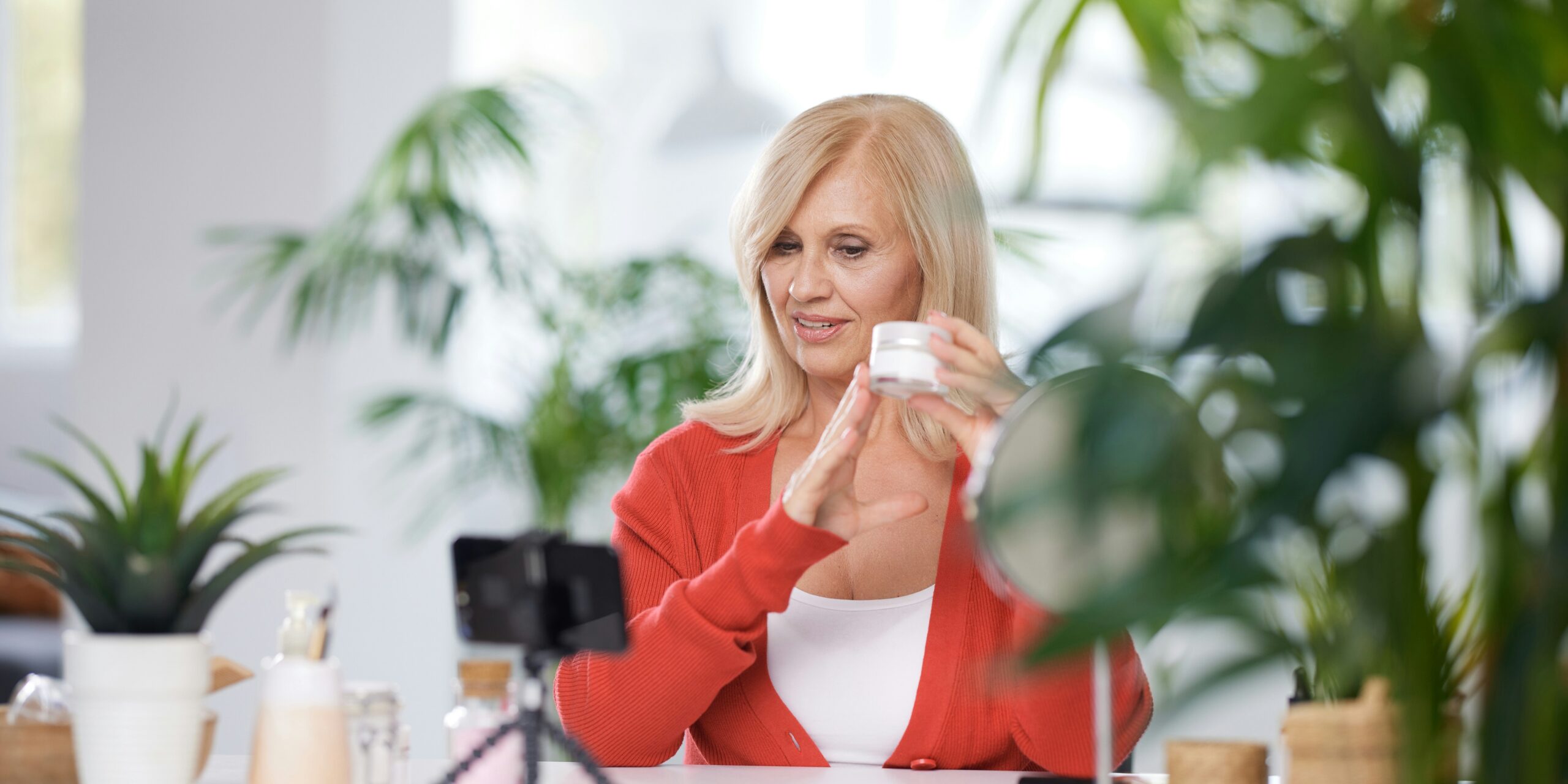
Consumer interest in beauty and wellness products has seen significant growth in recent months, reflecting a broader cultural shift toward prioritizing self-care and functionality in personal routines. On January 30, 2026, recent market tracking highlighted a surge in consumer demand for products that not only enhance aesthetic appeal but also promote overall well-being. This growing trend shows how Americans are increasingly focusing on both beauty and wellness, with a particular emphasis on products that serve dual purposes of improving appearance and supporting health.
One of the most notable shifts in consumer behavior is the rising preference for ingredient-driven skincare solutions. Consumers are becoming more knowledgeable and discerning about the ingredients in the products they purchase, opting for skincare that offers tangible benefits. Popular products now include those that focus on barrier-enhancing properties, which help to protect the skin from environmental stressors, and hydration-focused solutions, which provide deep moisture for more supple and youthful-looking skin. These products are appealing because they promise not only visible beauty results but also functional skincare that supports skin health over time.
Alongside skincare, holistic supplements are also gaining traction, particularly those that target stress management and overall vitality. With stress being a significant concern in modern life, many consumers are seeking wellness products that can help alleviate the negative effects of stress and promote a sense of balance. Supplements designed to enhance energy, improve mental clarity, and support relaxation are becoming a common addition to daily routines. This shift aligns with broader wellness trends that emphasize the importance of mental health as part of a balanced lifestyle.
The influence of social media is also playing a significant role in shaping these consumer trends. Hashtags related to practical beauty routines, wellness tools, and performance-enhancing devices have gained popularity, further fueling interest in products that offer tangible benefits beyond beauty. Devices designed for recovery and performance enhancement, such as massage tools, infrared light therapy, and other at-home wellness gadgets, are becoming increasingly popular. These products cater to a growing desire for personal wellness solutions that are both convenient and effective, allowing consumers to integrate self-care seamlessly into their busy lives.
The growing focus on functionality, especially in beauty routines, highlights how consumer behavior is evolving. Today’s consumers want products that serve a purpose beyond just enhancing their appearance—they are looking for holistic solutions that support their overall well-being. Whether through skincare that strengthens the skin’s barrier, supplements that support vitality, or devices that aid in recovery, the trend is clear: consumers are placing more value on products that contribute to both aesthetic appeal and wellness.
This shift toward wellness-focused beauty is not only reflective of consumer preferences but also suggests a long-term trend that is likely to continue shaping the market in the coming years. Brands that can successfully blend the lines between beauty and wellness will likely be well-positioned to meet the demands of a growing consumer base that values both aesthetics and health. With this continued interest in functional beauty and wellness, the industry is set to see further innovations in products designed to meet the evolving needs of consumers seeking to enhance their beauty, health, and overall lifestyle.