
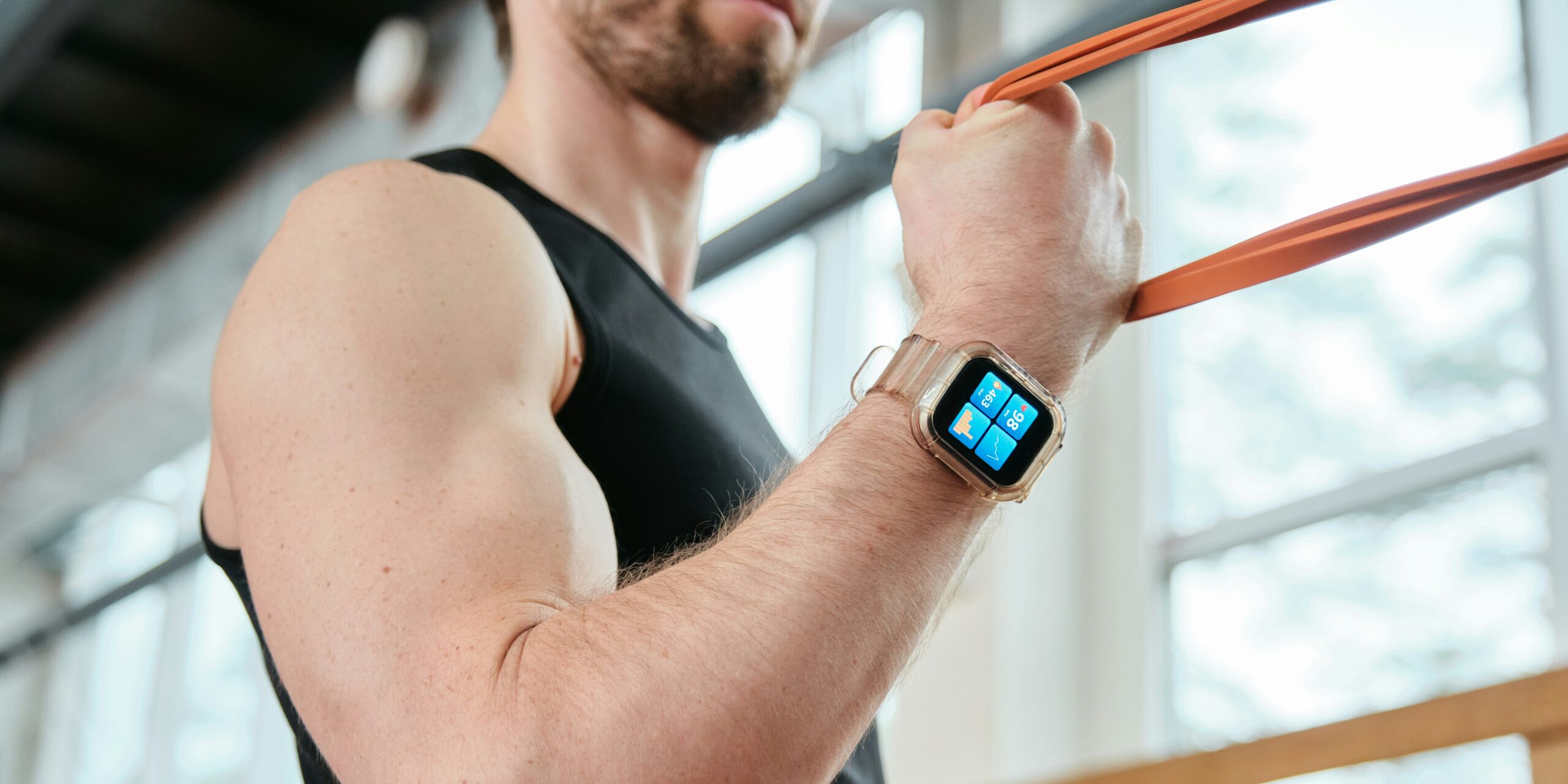
As we move further into 2026, wearable technology continues to take center stage in the fitness world, becoming the top trend that is reshaping how Americans approach their workouts, monitor their progress, and optimize their overall performance. According to the American College of Sports Medicine’s (ACSM) annual Worldwide Fitness Trends forecast, wearable devices have firmly maintained their position as the most widely adopted fitness trend for the third consecutive year. This trend reflects a significant shift in how individuals engage with their fitness routines, highlighting a growing demand for smart, data-driven tools that provide insights into personal health and wellness.
In recent years, wearable technology has rapidly evolved, offering far more than just basic features like step counting. Today’s devices are equipped with sophisticated biosensors that track an impressive array of metrics including heart rate variability, blood pressure, oxygen saturation, and even the body’s recovery needs. These advanced sensors allow wearables to provide a wealth of information that can guide fitness decisions, making them valuable tools for both beginners and elite athletes. The rise of these technologies is empowering individuals to make more informed decisions about their exercise routines, nutrition, and overall health, enabling them to achieve their fitness goals more efficiently and effectively.
Fitness professionals have long been advocates for wearable tech, recognizing its ability to enhance self-monitoring and personalize training. These devices not only allow users to track their physical activity in real time, but they also provide valuable feedback that helps them adjust their workouts based on their body’s responses. For instance, wearables can alert users when their heart rate is too high, signaling that they might be overexerting themselves, or when they are hitting their recovery window, suggesting it’s time to slow down. This personalized feedback can ensure that workouts are both effective and safe, helping users avoid injury and optimize their results. The technology has also expanded to include features such as sleep tracking, stress monitoring, and even nutrition logging, which contribute to a holistic approach to health and fitness.
Despite all the advantages wearable tech offers, experts emphasize the importance of properly interpreting the data these devices collect. Simply having access to the data is not enough to guarantee success; users must understand how to apply the insights in a way that benefits their specific fitness goals. For example, a fitness tracker may report on heart rate or activity levels, but it’s up to the user to interpret those readings correctly. Without this knowledge, there’s a risk of misusing the data, which could result in ineffective training, or worse, injuries. Fitness experts encourage users to take the time to learn about the various metrics their wearables track, and to work with fitness professionals or trainers who can help interpret the data and translate it into meaningful adjustments to their exercise routines.
The impact of wearable tech in fitness goes beyond just improving personal performance. It has democratized access to advanced health tracking tools, which were once only available to elite athletes or those with access to specialized equipment. Now, anyone with a wearable device can track metrics like their heart rate, sleep patterns, or stress levels, making it easier for people of all fitness levels to monitor their health and make data-driven decisions. This accessibility has led to a surge in the adoption of wearables among people who may not have had the resources to invest in expensive fitness equipment or professional guidance. In turn, this has contributed to a broader cultural shift toward self-care and wellness, where individuals take a more active role in managing their health.
As the technology continues to advance, wearables are expected to become even more integrated into the fitness ecosystem. In the coming years, these devices could potentially incorporate even more sensors, provide deeper insights into performance and health, and integrate seamlessly with other fitness platforms. For example, future devices might incorporate artificial intelligence (AI) to offer smarter recommendations based on the user’s progress, goals, and patterns. The potential for personalized, AI-driven fitness plans is immense, and it will be exciting to see how this technology evolves to further enhance the fitness experience.
Wearable technology has already reshaped how people approach fitness, and it is clear that this trend is only going to grow stronger in 2026. With their ability to track a wide variety of metrics, provide real-time feedback, and empower users to take control of their health, wearables are now an essential part of the fitness journey for millions of people worldwide. Whether you’re a beginner just starting out, an experienced athlete refining your performance, or someone simply trying to maintain a healthy lifestyle, wearable tech is proving to be an indispensable tool in achieving and surpassing fitness goals. As this technology continues to advance, there’s no doubt it will play an even more central role in shaping the future of fitness.
Read Also: https://mensnewspaper.com/wearable-tech-and-core-strength-lead-u-s-fitness-trends-in-2026/