
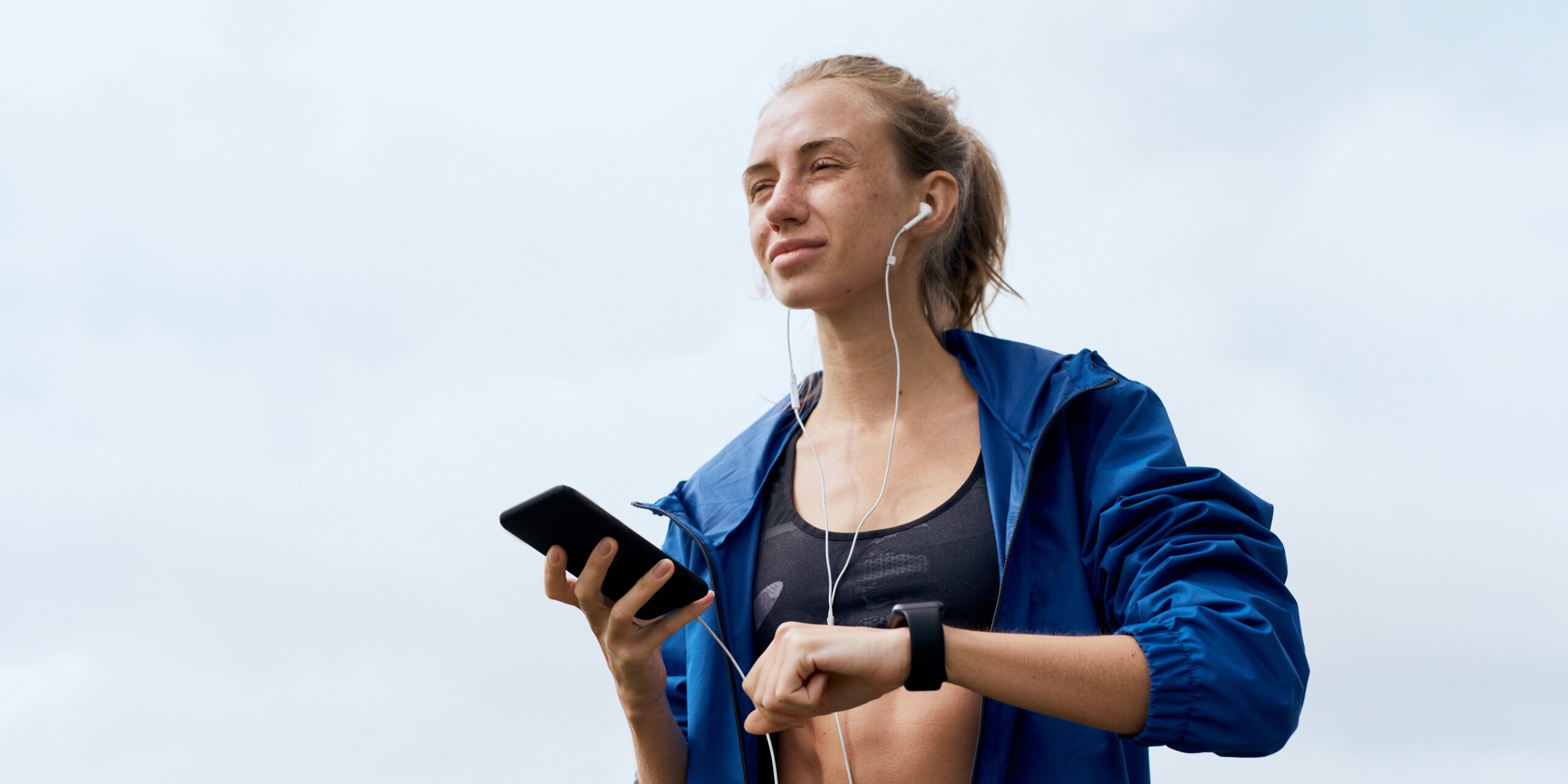
Fitness professionals and industry analysts predict that 2026 will be a year of significant advancements in fitness technology and personalized training approaches. The American College of Sports Medicine (ACSM) recently released its annual workout trends forecast, which highlights wearable technology as the number one fitness trend for the year. As tech innovations continue to evolve, the role of wearable devices in fitness has grown significantly. These devices, now equipped with advanced sensors, offer users the ability to track a wide range of health metrics, including heart rhythm, blood glucose levels, skin temperature, and much more. This ability to gather comprehensive, real-time data is reshaping how individuals approach their fitness routines, allowing for more tailored and efficient workouts.
Wearable technology has evolved beyond simple step-counting devices, becoming sophisticated tools that give users deeper insights into their overall health and performance. These advancements are making it easier for individuals to understand their body’s unique needs and adjust their exercise regimens accordingly. The data collected from these wearables helps users fine-tune their training to optimize performance, manage health conditions, and achieve long-term fitness goals with a level of precision that wasn’t possible just a few years ago.
In addition to wearable tech, functional training is another major focus for 2026. Functional fitness, which emphasizes exercises that improve daily movement and enhance overall mobility, is gaining popularity, particularly among older adults. These programs are designed to help individuals maintain strength, flexibility, and balance as they age, making it easier to perform routine activities like bending, reaching, and lifting. As the population continues to age, there’s an increasing emphasis on fitness programs that cater to the specific needs of older adults, helping them stay active and independent for longer.
Mobile exercise apps also remain a top trend in the fitness world. These apps provide users with convenient, on-the-go workout options that can be tailored to their fitness levels, preferences, and goals. With the rise of digital fitness, people no longer need to rely on traditional gym memberships to stay in shape. Instead, they can access personalized workout programs and track their progress right from their smartphones. Whether through virtual classes, customized routines, or integrated tracking features, these apps make it easier for people to stay committed to their fitness journeys, regardless of their location.
Core-strength practices are also a central focus for many fitness enthusiasts in 2026. Building core strength is not just about aesthetic goals; it’s essential for overall physical health and injury prevention. Strong core muscles support good posture, improve balance, and enhance performance in other physical activities. As such, fitness programs are placing more emphasis on exercises that engage the core, making them a staple in many workout routines.
The ACSM report underscores how technology is playing an increasingly significant role in helping individuals achieve their fitness goals. With more personalized and data-driven approaches, individuals can track their progress over time and make informed decisions about their health. Fitness is no longer a one-size-fits-all approach, and with the help of wearables, apps, and functional training programs, people are better equipped than ever to improve their performance and manage long-term health outcomes.
As we move through 2026, it’s clear that technology and personalization will continue to shape the fitness landscape, offering more tools and resources to help individuals reach their peak performance and live healthier lives. Whether through tracking physical metrics with wearables or engaging in functional fitness routines, the future of fitness is becoming more tailored, accessible, and effective than ever before.
Read Also: https://mensnewspaper.com/fitness-in-2026-wearable-tech-and-personalized-training-reshape-health-culture/