
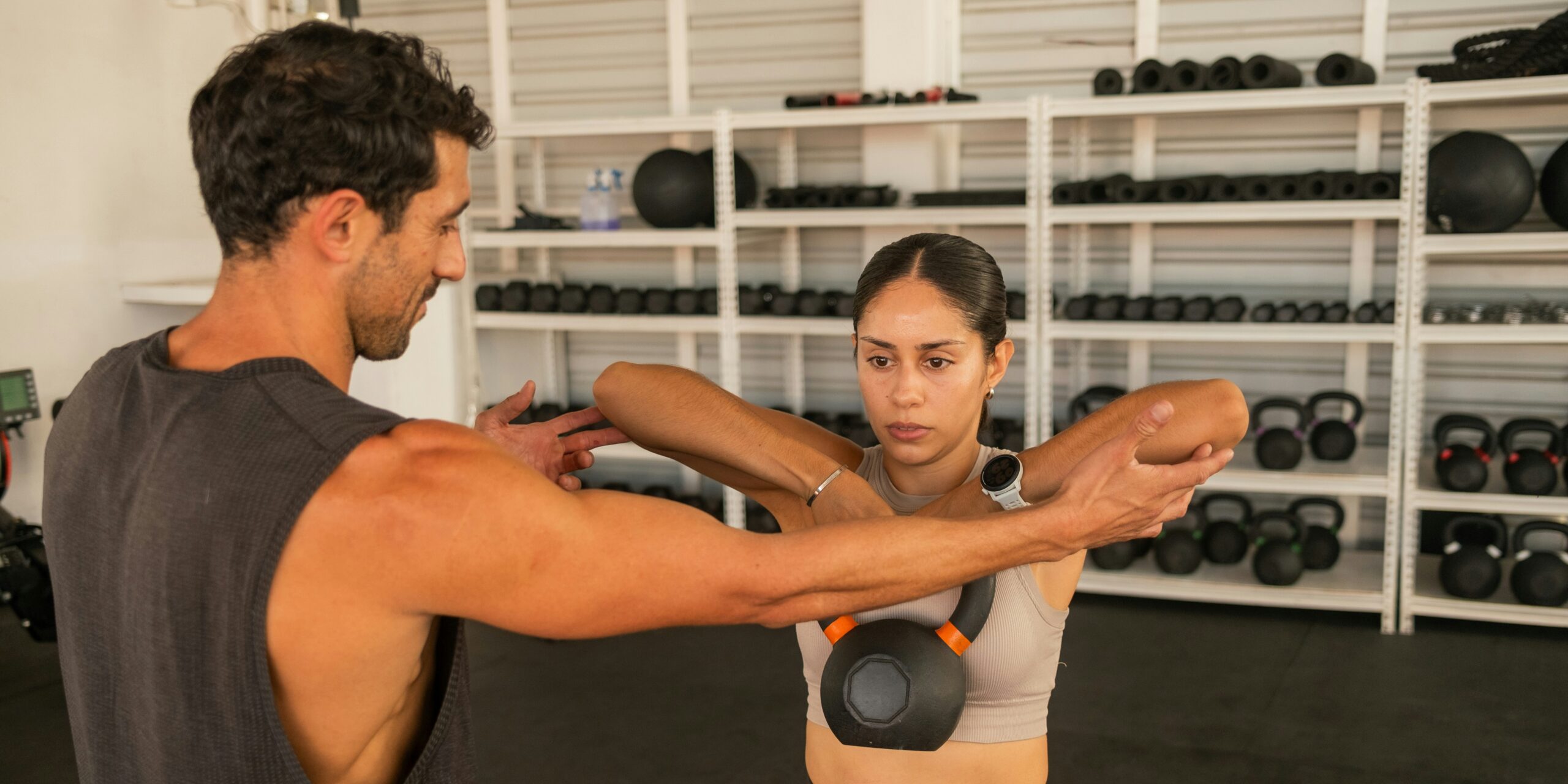
As 2026 kicks off, fitness experts and health professionals are predicting a year of significant shifts in how Americans approach wellness. According to the American College of Sports Medicine’s (ACSM) annual fitness trend forecast, wearable technology is set to dominate the wellness landscape this year. Devices like fitness trackers and advanced smartwatches, which track everything from steps and heart rate to sleep patterns and stress levels, are increasingly integrated into daily life. In fact, nearly half of U.S. adults are now using these devices to monitor their activity and health markers, reflecting a growing trend of technology-driven wellness routines. This surge in wearable tech usage signifies a broader shift towards more personalized and data-driven approaches to fitness, where individuals can track their progress and make informed decisions based on real-time insights.
Another key trend for 2026 is the rise of specialized fitness programming tailored specifically to older adults. As the population ages, there is a growing emphasis on fitness routines that cater to the unique needs of older generations, focusing on flexibility, strength, and overall mobility. These programs aim to improve quality of life by addressing the physical challenges that come with aging, such as balance, joint health, and muscle tone. The increase in demand for such programs suggests that older adults are becoming more proactive about their health and fitness, seeking out routines that help them maintain independence and vitality as they age.
In addition to wearable tech and age-specific fitness programming, mobile exercise apps are continuing to gain popularity. These apps provide users with convenient, on-demand access to workout routines, health tips, and nutrition advice. The ability to work out from home or on the go appeals to busy individuals who are looking for flexible ways to stay fit without needing a gym membership or personal trainer. Whether it’s yoga, strength training, or guided meditation, mobile apps allow users to personalize their fitness experience and fit it into their schedule with ease.
Core strength and balance training also continue to be prominent trends in 2026, reflecting an ongoing focus on functional fitness. Exercises that emphasize stability, flexibility, and strength are not only important for athletic performance but are also essential for everyday activities. Improving core strength and balance is especially beneficial for older adults, as it helps reduce the risk of falls and enhances posture and mobility. However, these exercises are relevant to all age groups, as they contribute to overall physical health and can prevent injuries caused by poor posture or weak muscles.
The blending of technology with fitness routines suggests a future where personalized wellness plans are more accessible than ever before. As technology continues to evolve, it allows individuals to make more informed choices about their health and fitness, tailoring their routines to their specific goals and needs. Whether through wearable devices, mobile apps, or specialized fitness programs, the wellness trends of 2026 indicate that Americans are becoming increasingly empowered to take control of their health. These trends also highlight the importance of creating inclusive and accessible fitness solutions that cater to diverse age groups and abilities, ensuring that wellness is not just a trend for the young and tech-savvy but for everyone.
Read Also: https://mensnewspaper.com/wearable-tech-and-core-strength-lead-u-s-fitness-trends-in-2026/